
Imagine waking up each day burdened by persistent aches, the kind that dull your energy and limit your daily activities. For millions of individuals, this scenario is an unfortunate reality, pushing them to seek various remedies for relief. In the realm of pain management, the emergence of prescription-free CBD products has captured significant public interest, sparking conversations and encouraging exploration into their potential benefits. The informative segment above from Good Morning America effectively highlights this growing trend, posing critical questions about efficacy, safety, and regulation. Navigating the diverse landscape of CBD for pain relief demands a nuanced understanding, especially when considering its integration into your wellness regimen.
Unpacking the Endocannabinoid System: How CBD Interacts with Your Body
The human body possesses a complex network of neurotransmitters and receptors known as the endocannabinoid system (ECS), a crucial biological system responsible for regulating a myriad of physiological processes. This intricate system plays a vital role in maintaining homeostasis, influencing factors such as mood, sleep, appetite, immune response, and notably, pain perception. Dr. Jen Ashton expertly touched upon this system, emphasizing its relevance to understanding how CBD operates within our physiology. The ECS comprises endocannabinoids, enzymes that break them down, and cannabinoid receptors, specifically CB1 and CB2 receptors.
Firstly, CB1 receptors are predominantly located in the brain and central nervous system, where they mediate cognitive functions, emotional responses, and the processing of pain signals. Secondly, CB2 receptors are found throughout the peripheral nervous system, immune cells, and various organs, often associated with inflammation and immune modulation. When exogenous cannabinoids like cannabidiol (CBD) are introduced, they interact with these receptors, influencing the ECS without necessarily binding directly to them in the same manner as tetrahydrocannabinol (THC). This indirect interaction helps explain why CBD does not induce the psychoactive effects commonly associated with marijuana, a key distinction for individuals seeking relief without impairment.
Navigating the Efficacy of CBD for Pain Relief: Scientific Insights
The pursuit of effective pain management solutions is a global endeavor, with researchers diligently investigating various compounds, including CBD. While mainstream media often highlights anecdotal success stories, like those of athlete Allie Stotter or celebrity endorsements, the scientific community seeks robust, peer-reviewed data to substantiate such claims. Much of the foundational literature on cannabis and pain management has emerged from pioneering research in Israel and Canada, nations with more progressive regulatory frameworks for cannabis research. These studies frequently explore CBD’s potential anti-inflammatory and analgesic properties, which could contribute to its perceived effectiveness in mitigating chronic pain.
Specifically, research suggests that CBD may exert its pain-relieving effects through several mechanisms, including its interaction with the ECS and other non-cannabinoid receptor systems. It is thought to influence vanilloid receptors (TRPV1), which are implicated in pain and inflammation, and serotonin receptors (5-HT1A), known for their role in anxiety and pain modulation. This multi-target approach makes CBD a fascinating compound for investigation into neuropathic pain, inflammatory conditions, and general muscle soreness. While comprehensive clinical trials are still ongoing, preliminary findings indicate a promising avenue for those seeking alternatives to traditional painkillers, emphasizing the importance of staying informed about emerging research.
Understanding Product Variability and Regulatory Gaps
The current market for CBD products can be accurately described as the “Wild West,” a term succinctly used by Dr. Jen Ashton, signifying a landscape largely devoid of stringent federal regulation in the United States. This regulatory void presents both opportunities and challenges for consumers, as highlighted by Becky Worley’s visit to a dispensary in Oakland. Without clear FDA oversight for medical claims, manufacturers face restrictions on what they can state about their products’ therapeutic benefits. Consequently, consumers must exercise significant diligence, becoming their own advocates in evaluating product quality and safety.
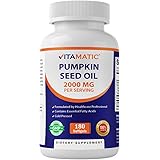
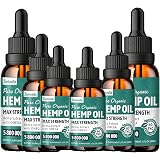
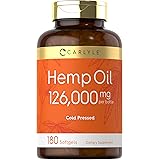
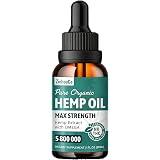
One of the primary concerns stems from significant variability in product formulations, concentrations, and purity. Potency, for instance, can range dramatically, with bottles proclaiming 300 mg, 600 mg, 1200 mg, or even 2000 mg of CBD, leaving consumers bewildered about appropriate dosing. Furthermore, the absence of standardized manufacturing practices can lead to products containing inaccurate CBD levels, contaminants like heavy metals or pesticides, or even undeclared THC. Reputable brands, often found in established dispensaries like Have a Heart, typically provide third-party lab reports (Certificates of Analysis) that verify cannabinoid content and screen for impurities, offering a crucial layer of transparency for discerning buyers.
Dosing Considerations and Administration Methods
When embarking on a journey with CBD for pain relief, the question of appropriate dosing is paramount, yet it remains one of the most challenging aspects due to the lack of universal guidelines. The Arthritis Foundation stands as one of the few organizations offering specific recommendations, suggesting a pragmatic “start low and go slow” approach. Their advice typically involves beginning with a minimal dose, perhaps a few milligrams, administered sublingually (under the tongue) twice daily, and gradually increasing the dosage over days or weeks if no discernible effect is observed. This titration method allows individuals to assess their personal response and tolerance to CBD, as individual physiology and severity of symptoms can dramatically influence effective dosing.
Beyond sublingual tinctures, CBD products are available in various forms, each offering different absorption rates and onset times. Topical CBD lotions and balms, for example, like those reportedly used by Melissa McCarthy or Allie Stotter, are designed for localized relief, absorbed through the skin to target joint or muscle pain directly. Oral products, such as capsules or edibles, typically have a slower onset but may offer longer-lasting systemic effects. Vaping CBD provides rapid absorption but raises concerns about lung health. Understanding these delivery methods and their implications for bioavailability is critical for optimizing the therapeutic potential of CBD for pain relief while minimizing any potential unwanted side effects.
Crucial Considerations: Safety, Legality, and Consumer Responsibility
While the overall risk profile for CBD is considered low, especially compared to many pharmaceutical pain relievers, it is imperative for users to remain vigilant and informed. As Dr. Jen Ashton noted, dependency is not a significant concern with CBD itself, but any substance interacting with the body carries potential, albeit often mild, side effects. These might include drowsiness, dry mouth, changes in appetite, or gastrointestinal upset. Furthermore, CBD can interact with certain medications, particularly those metabolized by the cytochrome P450 enzyme system, such as blood thinners or seizure medications. Therefore, consulting a healthcare provider before initiating CBD therapy is a responsible and recommended step, ensuring it aligns safely with existing health conditions and medications.
Legality also remains a nuanced issue; while federal law in the United States permits hemp-derived CBD (containing less than 0.3% THC), state-specific regulations can vary widely, particularly regarding dispensaries and purchase methods. Becky Worley’s experience at the Have a Heart dispensary, where transactions are cash-only due to federal banking restrictions on cannabis businesses, underscores this complexity. Ultimately, consumer responsibility lies at the heart of safely navigating the CBD market. Educating oneself about product sourcing, reviewing third-party lab results, and engaging in open dialogue with healthcare professionals are paramount steps towards leveraging prescription-free CBD for pain relief effectively and safely.
Navigating Your CBD Pain Relief Questions
What is prescription-free CBD?
Prescription-free CBD refers to cannabidiol products available without a doctor’s prescription, often explored for their potential to help with pain relief without causing psychoactive effects.
How does CBD interact with my body for pain relief?
CBD interacts with your body’s endocannabinoid system (ECS), a network that helps regulate processes like pain perception. It influences receptors in this system to potentially reduce pain and inflammation.
Are CBD products regulated?
The CBD market currently lacks stringent federal regulation in the United States, meaning there isn’t consistent FDA oversight for product quality, potency, or therapeutic claims. Consumers should look for third-party lab reports to ensure reliability.
How should a beginner start using CBD for pain relief?
For beginners, it’s advised to ‘start low and go slow’ by beginning with a minimal dose (e.g., a few milligrams) and gradually increasing it over days or weeks until the desired effect is achieved.