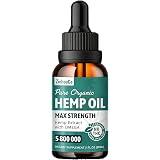

The extensive health benefits and versatile uses of hemp seed oil are increasingly recognized, offering a compelling addition to both nutritional regimens and topical applications. As explored in the video above, this natural remedy, often cold-pressed from the seeds of the *Cannabis sativa* plant, distinguishes itself significantly from cannabis oil by being entirely non-psychoactive. Its rich nutritional profile and therapeutic properties make it a subject of considerable interest in the natural health community.
Understanding Hemp Seed Oil: The Cold-Pressed Advantage
Hemp seed oil is meticulously produced through a cold-pressed method, which involves extracting the oil without the application of heat. This process is paramount in preserving the oil’s delicate nutritional compounds, including its polyunsaturated fatty acids and heat-sensitive vitamins. Furthermore, this method ensures that the final product retains its natural nutty flavor and maximum potency. It is imperative to differentiate hemp seed oil from other cannabis-derived products, particularly those containing tetrahydrocannabinol (THC); hemp seed oil is devoid of psychoactive cannabinoids, making it a safe and legal dietary supplement globally.
Historically, this oil has been a staple in various Eastern cultures for its remedial qualities. Its global availability in health food stores underscores its growing acceptance as a natural wellness enhancer. The lack of drug-like effects ensures its suitability for a broad demographic seeking nutritional augmentation without altered states of consciousness.
A Nutritional Powerhouse: Macro and Micronutrients
The robust nutritional composition of organic hemp seed oil is a key contributor to its widespread acclaim. It is not merely an oil but a comprehensive source of vital nutrients that support overall physiological function. This includes a significant protein content, providing essential amino acids that are crucial for tissue repair and enzyme production. Additionally, it is a notable source of Vitamin E, a potent antioxidant that helps protect cells from oxidative stress and supports immune function.
Beyond these, hemp seed oil furnishes the body with a spectrum of essential minerals. These include potassium, vital for fluid balance and nerve signals; magnesium, instrumental in over 300 enzymatic reactions; iron, indispensable for oxygen transport; zinc, critical for immune response and wound healing; calcium, fundamental for bone health; and phosphorus, a key component of cellular energy. The synergistic action of these nutrients contributes significantly to maintaining cellular integrity and metabolic efficiency.
Cardiovascular Health and Lipid Profile Management
One of the most lauded attributes of hemp seed oil is its profound impact on cardiovascular health. This is primarily attributed to its exceptional ratio of Omega-6 to Omega-3 fatty acids, often cited as being in the range of 3:1 or 4:1. This particular balance is considered optimal for human health, facilitating cardiovascular function and contributing to the prevention of heart disease. These essential fatty acids are precursors to eicosanoids, signaling molecules that regulate inflammation, blood clotting, and blood vessel constriction.
Moreover, the regular intake of hemp oil has been observed to influence lipid profiles favorably. Its active compounds are believed to boost metabolism, thereby assisting the body in processing fats more efficiently. While it doesn’t “get rid” of fat deposits in arteries in a literal sense, its anti-inflammatory properties and its role in maintaining healthy cholesterol levels are paramount. It supports the reduction of low-density lipoprotein (LDL) cholesterol oxidation, a key factor in the pathogenesis of atherosclerosis, through its rich polyunsaturated fat content and antioxidant presence. The gamma-linolenic acid (GLA) within hemp oil also plays a role in modulating inflammation, a critical aspect of cardiac wellness.
Hormonal Balance and Mood Regulation
The unique composition of hemp oil, particularly its gamma-linolenic acid (GLA) content, offers significant benefits for hormonal regulation. GLA is an Omega-6 fatty acid that serves as a precursor to prostaglandins, hormone-like substances that play a critical role in controlling inflammation, blood pressure, and hormone synthesis. Individuals experiencing mood swings or other symptoms associated with hormonal imbalances may find relief through its consumption.
This balancing effect is particularly beneficial for women navigating various physiological stages. For example, women in menopause often experience a decline in estrogen levels, leading to a cascade of symptoms including hot flashes and mood fluctuations; GLA can help modulate these responses. Similarly, those who suffer from heavy periods or premenstrual syndrome (PMS) may find that the hormone-balancing properties of hemp oil contribute to alleviated symptoms, such as cramping, breast tenderness, and irritability, by supporting prostaglandin pathways that influence uterine muscle contraction and inflammation.
Dermatological Applications: Nurturing Skin from Within and Without
Hemp seed oil possesses remarkable dermatological benefits, acting both internally as a dietary supplement and externally as a topical agent. When ingested daily, its essential fatty acids contribute to the oxygenation of the skin cells, promoting healthier cellular turnover and repair mechanisms. This internal nourishment can be particularly effective in managing chronic skin problems such as psoriasis, where skin cell proliferation is abnormal. The fatty acids help to reduce inflammation and support the skin’s barrier function, addressing the root causes of irritation.
Topically, hemp oil functions as an excellent moisturizer, penetrating deeply without clogging pores, which is beneficial for various skin types. Its anti-inflammatory properties are potent, making it adept at reducing redness, irritation, and discomfort associated with conditions like eczema, acne, and general skin sensitivity. The presence of antioxidants further aids in protecting the skin from environmental stressors and promoting a clearer, more resilient complexion. Direct application can soothe inflamed areas, restoring the skin’s natural lipid barrier and promoting a smoother texture.
Culinary Integration and Storage Guidelines
Integrating hemp seed oil into the daily diet is straightforward, given its pleasant nutty flavor. It is highly recommended for use in salad dressings, where its distinct taste can be complemented by ingredients such as mayonnaise, lemon juice, or various vinegars. Beyond dressings, it can be artfully drizzled over roasted vegetables post-cooking, blended into smoothies for an extra nutritional boost, or stirred into soups and pasta dishes just before serving to preserve its delicate compounds. Its versatility in cold preparations makes it an easy substitute for other oils in recipes that do not require heat.
Crucially, it is imperative to never heat hemp seed oil. The high heat involved in cooking methods such as frying or sautéing can cause its healthy polyunsaturated fats to degrade and oxidize, transforming them into less healthy, and potentially harmful, saturated or trans fats. This alteration diminishes the oil’s therapeutic value and can even negate its health benefits. Proper storage is also essential to maintain its freshness and efficacy; it should always be kept in a cool, dark place, ideally the refrigerator, away from direct light and heat, to prevent oxidation and rancidity. Adhering to these guidelines ensures that the potent benefits of hemp seed oil are fully realized with every use.
Sowing the Seeds of Knowledge: Your Hemp Seed Oil Q&A
What is hemp seed oil?
Hemp seed oil is a natural oil cold-pressed from the seeds of the *Cannabis sativa* plant, distinct from other cannabis products.
Will hemp seed oil make me feel ‘high’?
No, hemp seed oil is completely non-psychoactive because it is devoid of THC, the compound that causes psychoactive effects.
What are the main health benefits of hemp seed oil?
Hemp seed oil is a nutritional powerhouse that can support heart health, help balance hormones, and improve skin health due to its rich content of essential nutrients.
How can I use hemp seed oil in my daily life?
You can use hemp seed oil in salad dressings, blend it into smoothies, or apply it directly to your skin as a moisturizer. It should never be heated for cooking.
How should I store hemp seed oil?
To preserve its quality, hemp seed oil should always be kept in a cool, dark place, ideally the refrigerator, away from direct light and heat.