
The conversation in the accompanying video highlights a significant point for those pursuing a plant-based diet: sourcing essential omega fatty acids. For many vegans and vegetarians, identifying a single, comprehensive plant-based oil that offers a balanced profile of Omega-3, 6, and 9 can often be a challenge. Traditionally, fatty fish are recognized for their omega content, which necessitates alternative considerations for individuals following a meat-free lifestyle. This quest for nutritional completeness often leads to an exploration of unique plant-based options that can bridge dietary gaps, and hemp seed oil has emerged as a noteworthy contender in this arena.
The importance of omega fatty acids in the diet cannot be overstated, as they are crucial for various bodily functions. These essential fats are not produced by the body and must be acquired through diet, making dietary choices particularly vital. An imbalanced intake of these omegas, particularly a skewed Omega-6 to Omega-3 ratio, is often associated with modern dietary patterns and can contribute to various health issues. Therefore, discovering a plant-based source that inherently offers these nutrients in a favorable proportion becomes a valuable asset for maintaining overall wellness.
Understanding Hemp Seed Oil and Its Unique Omega Profile
Hemp seed oil, which is cold-pressed from the seeds of the *Cannabis sativa* plant, is distinguished by its remarkably balanced fatty acid composition. Unlike its well-known cousin, CBD oil, hemp seed oil contains negligible amounts of THC, the psychoactive compound. It is instead celebrated for its nutritional richness, particularly its essential fatty acid content. The oil is commonly recognized for containing a near-perfect “golden ratio” of Omega-6 to Omega-3, often cited as 3:1 or 2:1, which is considered ideal for human health.
This advantageous ratio is a primary reason why hemp seed oil is frequently recommended, especially for those who consume limited animal products. The body’s ability to properly utilize these fats is largely dependent on this balance, with an excessive Omega-6 intake potentially leading to pro-inflammatory responses if not counteracted by sufficient Omega-3s. Hemp seed oil is also believed to include Omega-9, a monounsaturated fat that, while not essential, offers additional cardiovascular benefits. The harmonious blend of these fats in hemp seed oil positions it as a holistic dietary supplement.
The Health Benefits of Balanced Omega Intake
The careful balance of Omega-3, 6, and 9 found in hemp seed oil is understood to contribute to a wide array of health advantages. Omega-3 fatty acids, for instance, are primarily associated with anti-inflammatory effects and are vital for neurological function and cardiovascular health. They are often compared to the calming presence in a busy orchestra, ensuring all elements work in harmony. Conversely, Omega-6 fatty acids play a role in skin health, bone density, and metabolic processes, serving as the energetic conductor.
The video points out a concerning trend of sudden cardiac arrests in people in their 30s and 40s, underscoring the critical need for heart health support. A diet rich in balanced essential fatty acids is believed to contribute significantly to cardiovascular well-being, aiding in the maintenance of healthy blood pressure and cholesterol levels. Furthermore, the expert in the video highlights the impact of stress and anxiety on “diminishing our brain power.” Omega-3s, particularly DHA, are known to be fundamental building blocks for brain tissue and are involved in cognitive functions, suggesting that a balanced intake could support mental clarity and resilience against psychological stressors.
Integrating Hemp Seed Oil into Your Daily Routine
As emphasized in the video, hemp seed oil is a highly volatile oil, which means its delicate fatty acids can be easily damaged by heat. Therefore, it is strongly advised against using it for cooking, frying, or baking. When exposed to high temperatures, the beneficial omega fats can degrade, lose their nutritional value, and potentially form harmful compounds. This sensitivity to heat necessitates its use in specific ways to preserve its integrity and maximize its health benefits.
The recommended daily intake, as mentioned by the Ayurveda expert, is between 5 to 10 ml. This amount is sufficient to provide a significant boost of essential fatty acids without overconsumption. It is suggested to incorporate hemp seed oil as a finishing oil, similar to a condiment or dressing. For example, it can be drizzled over salads, added to smoothies after blending, mixed into soups just before serving, or stirred into dips like hummus. Its nutty, earthy flavor is often enjoyed by many and can enhance the taste of various dishes.
Choosing and Storing Quality Hemp Seed Oil
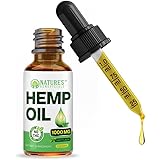
When selecting hemp seed oil, several factors should be considered to ensure maximum potency and freshness. It is generally recommended to opt for cold-pressed, unrefined varieties, as this method helps retain the natural nutrient profile without the use of harsh chemicals or excessive heat. Look for oils packaged in dark glass bottles, as exposure to light can degrade the sensitive fatty acids over time. Furthermore, organic certification can provide assurance that the hemp seeds were grown without synthetic pesticides or herbicides, contributing to a purer product.
Proper storage is paramount for preserving the delicate nature of hemp seed oil. Due to its volatility and high concentration of polyunsaturated fats, it is prone to oxidation when exposed to light, heat, or air. Once opened, it should always be stored in the refrigerator to slow down the oxidation process and extend its shelf life. It is also advisable to use the oil within a few weeks or months of opening, as its freshness significantly impacts its nutritional efficacy and taste. Prioritizing these storage practices ensures that the beneficial “golden ratio” of omegas is delivered with every dose of hemp seed oil.
Hemp Seed Oil & Ayurveda: Your Questions Answered
What is hemp seed oil?
Hemp seed oil is pressed from the seeds of the *Cannabis sativa* plant. It is known for its nutritional value and does not contain THC, the psychoactive compound.
What makes hemp seed oil a good source of nutrition?
It offers a unique ‘golden ratio’ of Omega-3, 6, and 9 fatty acids, which is considered ideal for human health. This makes it a valuable plant-based source of essential fats, especially for vegans and vegetarians.
How should I use hemp seed oil daily?
It’s best used as a finishing oil, drizzled over foods like salads or mixed into smoothies, as heating can damage its beneficial fats. A recommended daily intake is between 5 to 10 ml.
How should I store hemp seed oil to keep it fresh?
Always store opened hemp seed oil in the refrigerator to protect its delicate fatty acids from degrading. It’s also best to choose oil in dark glass bottles and use it within a few weeks or months after opening.