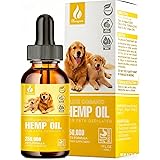

Are you considering giving CBD to your beloved dog or cat but feel overwhelmed by conflicting information? The world of pet supplements, especially CBD for pets, can be a complex landscape to navigate. As more pet owners seek natural alternatives for their companions’ well-being, understanding the crucial factors before introducing cannabidiol (CBD) becomes paramount. This comprehensive guide will build upon the essential insights from Dr. Andrew Jones’s video, delving deeper into what you truly need to know to make informed, safe, and effective choices for your furry family members.
1. The Foundation: Understanding Your CBD Source and Quality
The journey to selecting the right CBD for pets begins with understanding its origin. Cannabidiol, or CBD, is a naturally occurring compound derived from the hemp plant, a cousin to the marijuana plant, but without the psychoactive effects that cause a “high.” It’s essential to recognize that not all CBD products are created equal; the quality spectrum is vast, and your pet’s health depends on your ability to discern the best. Just as you wouldn’t compromise on the quality of your own food, the same principle applies to supplements for your pet.
Firstly, inquire about the source of the hemp. Reputable companies often grow their own hemp or source it from certified organic farms, ensuring control over the cultivation process. This transparency helps to guarantee that the plants are free from harmful pesticides, herbicides, and heavy metals that can be absorbed from the soil. Secondly, look for verifiable third-party testing. This crucial step involves an independent lab analyzing the product to confirm its CBD content, verify the absence of THC (tetrahydrocannabinol, the psychoactive compound), and detect contaminants. Without this verification, claims of “organic” or “pure” remain just that – claims.
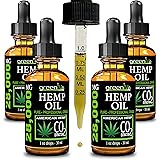
Thirdly, pay close attention to the extraction methods used. The preferred “green extraction method” is CO2 extraction, which uses pressurized carbon dioxide to gently pull the cannabinoids and other beneficial compounds from the plant material. This method is considered safe and clean, leaving no toxic residues. Conversely, some companies cut corners by using harsh chemical solvents like butane, propane, or acetone. Residues from these solvents can remain in the final CBD oil, potentially introducing carcinogens or neurotoxins into your pet’s system. Always prioritize products explicitly stating they use CO2 extraction for your pet’s safety and your peace of mind.
2. Embrace the “Entourage Effect”: The Power of Whole Plant Extracts
When considering CBD for dogs and cats, you’ll encounter terms like “full-spectrum,” “broad-spectrum,” and “isolate.” This distinction is incredibly important and ties directly into a principle known as the “Entourage Effect.” Think of it like enjoying an orange versus taking a vitamin C tablet, as Dr. Jones aptly compares in the video. While a vitamin C tablet provides a single nutrient, an orange offers a rich tapestry of vitamins, minerals, fiber, and other beneficial compounds that work synergistically, providing far greater nutritional value and absorption.
Similarly, the cannabis plant contains over a hundred different cannabinoids, terpenes, and flavonoids, all of which contribute to its therapeutic properties. A whole plant extract, often labeled as “full-spectrum” CBD, preserves these diverse compounds. When these components work together, they enhance each other’s effects, creating a more potent and comprehensive therapeutic outcome than any single compound could achieve alone. This synergistic interaction is the essence of the Entourage Effect, meaning your pet receives the full spectrum of the plant’s natural goodness.
CBD isolates, on the other hand, contain only pure CBD, stripped of all other plant compounds. While an isolate might seem appealing for its purity, it lacks the collaborative power of the full plant. Broad-spectrum CBD is a middle ground, containing other cannabinoids and terpenes but with all traces of THC removed. For optimal health and wellness benefits for your dog or cat, a whole plant or full-spectrum extract is generally recommended, allowing your pet to benefit from the powerful Entourage Effect.
3. Precision in Pet Care: Mastering Accurate CBD Dosing
One of the most common challenges pet owners face when using CBD for pets is achieving accurate dosing. Unlike pills with predefined strengths, liquid tinctures require careful measurement, and inconsistencies can lead to under-dosing (rendering it ineffective) or over-dosing (potentially causing mild side effects like drowsiness or digestive upset). Dr. Jones highlights this as a significant “pet peeve,” and for good reason, as accurate dosing is crucial for both safety and efficacy.
To ensure precision, always look for CBD products that come with medical-grade tincture bottles equipped with clearly marked droppers. These droppers are designed to dispense a consistent volume per drop, making it easier to administer the exact amount recommended. Avoid products with imprecise droppers or those that dispense drops erratically. A reliable product will also clearly state the CBD concentration per milliliter or per drop, allowing for accurate calculation based on your pet’s weight.
A general guideline for CBD for dogs and cats is approximately one milligram of CBD per 10 pounds of body weight. However, this is merely a starting point. Individual animals can respond differently to CBD, so it’s often best to “start low and go slow,” gradually increasing the dose while closely monitoring your pet’s response. For instance, if your dog weighs 50 pounds, a starting dose might be around 5 milligrams. Observe their behavior, appetite, and any changes in symptoms over a few days before making adjustments. Always consult your veterinarian for personalized dosing advice, especially for specific conditions.
4. Choosing the Ideal Carrier Oil for Pet CBD
The carrier oil in CBD tinctures is more than just a delivery vehicle; it plays a vital role in absorption and can even affect your pet’s digestion. The most common carrier oils are MCT oil (medium-chain triglyceride oil, often derived from coconut) and hemp seed oil. While MCT oil is widely used, it comes with potential drawbacks for pets. Many animals, much like some humans, can experience gastrointestinal upset, including vomiting or diarrhea, when consuming MCT oil. This discomfort can negate the very benefits you’re trying to achieve with CBD.
Furthermore, when a carrier oil from a different plant is used, your pet’s body needs to metabolize two distinct oils from separate sources. This can potentially complicate the digestive process and may not be the most bioavailable option. As Dr. Jones points out, for optimal benefits, the ideal carrier oil should also come from the hemp plant itself – namely, hemp seed oil. Hemp seed oil is derived from the seeds of the hemp plant and is rich in omega-3 and omega-6 fatty acids, offering its own nutritional benefits. It is also well-tolerated by most pets, making it a harmonious and effective choice for delivering CBD.
When you choose a CBD product with hemp seed oil as its carrier, you’re not only providing a delivery system that aligns with the CBD’s natural origin but also adding valuable nutrients. This natural synergy contributes to better absorption and overall wellness for your pet, reducing the likelihood of digestive issues and ensuring the CBD is efficiently utilized by their system.
5. Navigating Drug Interactions with Pet CBD
A critical consideration before starting CBD for pets, especially if your animal is already on medication, is the potential for drug interactions. While many online resources might suggest zero interactions, the reality is more nuanced. CBD is metabolized in the liver by a family of enzymes called Cytochrome P450 (CYP450). These enzymes are responsible for breaking down a vast number of drugs and toxins in the body. The concern arises because many common veterinary medications also rely on this same CYP450 enzyme pathway for their metabolism.
When CBD and another drug compete for the same enzymes, it can slow down the metabolism of one or both substances. This could potentially lead to higher-than-intended drug levels in your pet’s system, increasing the risk of side effects, or conversely, lower efficacy of the CBD or the other medication. Common veterinary drugs that utilize the CYP450 enzyme system include non-steroidal anti-inflammatory drugs (NSAIDs) such as Metacam and Rimadyl, corticosteroids like Prednisone, and certain heart medications.
Fortunately, for many pets receiving a low, suggested dose of about one milligram of CBD per 10 pounds of body weight, significant interactions are less likely. However, the possibility remains, particularly with higher doses or in sensitive individuals. Therefore, it is absolutely imperative to discuss CBD supplementation with your veterinarian before you begin, especially if your dog or cat is on any other prescribed medications. Your vet can assess the potential risks, monitor liver enzymes, and help you establish a safe protocol to ensure your pet’s well-being and the effectiveness of all treatments.
6. Effective Ways to Administer CBD to Your Pet
Getting your pet to take any medication or supplement can be a challenge, and CBD oil is no exception. However, understanding the best administration methods can significantly increase absorption and make the process stress-free for both you and your pet. The goal is often to bypass the digestive system as much as possible to achieve higher blood levels of CBD more quickly and efficiently.
The most effective method for oil-based CBD is sublingual administration or applying it directly to your pet’s gums. The mucous membranes in the mouth are rich in blood vessels, allowing the CBD to be absorbed directly into the bloodstream, bypassing the stomach and liver where it can be degraded. Dr. Jones demonstrates this by applying a drop to Tula’s gums. For compliant dogs, simply lifting their lip and rubbing the oil onto their gums or gently squirting it under their tongue works well. This direct absorption ensures that more of the CBD reaches its target areas.
For pets that resist oral administration, particularly many cats like Murray in the video, other methods can be explored. Adding the CBD oil to a small, palatable treat or mixing it into a tiny amount of wet food can work, though absorption may be slightly reduced due to digestion. Another innovative option is transdermal application, especially if the CBD product is “decarboxylated” – meaning it has undergone a process that makes its compounds absorbable through the skin. For difficult cats, placing a drop inside their ear flap and gently rubbing it in can be a game-changer, offering a stress-free way to deliver the benefits without any oral struggle.
Choosing to incorporate CBD for pets into your animal’s wellness routine is a decision that requires thoughtful consideration and an informed approach. By prioritizing quality sourcing, understanding the power of whole plant extracts, meticulously managing dosing, selecting the right carrier oil, carefully navigating potential drug interactions, and employing effective administration techniques, you can confidently enhance your pet’s quality of life. Always remember to collaborate with your veterinarian to ensure the safest and most beneficial outcomes for your beloved companion and their journey with CBD for dogs and cats.
Unleashing Knowledge: Your Pet CBD Questions Answered
What is CBD for pets?
CBD, or cannabidiol, is a natural compound derived from the hemp plant. It is used by pet owners to support their companions’ well-being without causing a psychoactive “high.”
How can I tell if a CBD product for my pet is good quality?
Look for products that provide verifiable third-party testing to confirm CBD content and ensure they are free from contaminants. High-quality products also typically use CO2 extraction, which is a safe and clean method.
How should I give CBD to my dog or cat?
The most effective method is to apply the oil directly to your pet’s gums or under their tongue for quick absorption into the bloodstream. For pets that resist, you can mix it into a small treat or apply it inside their ear flap if it’s a transdermal product.
Is it safe to give my pet CBD if they are already on other medications?
CBD can potentially interact with other medications, as both are processed in the liver. It is crucial to consult your veterinarian before starting CBD, especially if your pet is already taking any prescribed drugs, to ensure their safety.