
Achieving optimal hair health, particularly in managing hydration and combating frizz, presents a common challenge for many. Environmental aggressors, chemical treatments, and even daily styling routines can compromise the hair's natural lipid barrier, leading to moisture loss and a rough cuticle. In the pursuit of lustrous, smooth locks, discerning individuals often look beyond conventional solutions, seeking potent, naturally derived ingredients that offer targeted benefits.
As highlighted by Dr. Rashmi Shetty in the accompanying video, certain exotic oils stand out for their exceptional properties in fortifying the hair and scalp. These aren’t merely superficial treatments; rather, they provide a sophisticated blend of fatty acids, vitamins, and antioxidants that penetrate the hair shaft, offering profound nourishment. Understanding the unique biochemical profile of each oil is crucial for leveraging their full potential in your hair care regimen, moving beyond anecdotal evidence to a more scientific approach to hair wellness.
Demystifying Hair Hydration and Frizz Control
The structural integrity of hair relies heavily on its ability to retain moisture. The hair shaft itself is composed of three primary layers: the medulla (innermost), cortex (middle), and cuticle (outermost). When the cuticle, which resembles overlapping scales, is smooth and tightly sealed, it reflects light beautifully, resulting in shine, and effectively traps moisture within the cortex. Conversely, damage or dryness can cause these cuticles to lift, allowing moisture to escape and external humidity to penetrate, leading to the dreaded frizzy appearance.
Effective frizz control and lasting hydration, therefore, depend on ingredients that can either seal the cuticle, provide emollience to smooth its surface, or penetrate to nourish the cortex. Many conventional products create a temporary film, but truly effective solutions, particularly those found in exotic oils, work to restore the hair’s natural lipid balance. These botanical extracts are rich in essential fatty acids and other bioactive compounds that mimic the hair's natural protective layers, offering a more sustainable approach to managing unruly strands and promoting deep hydration.
Jojoba Oil: The Sebum-Mimetic Marvel for Hair Hydration
Often lauded as one of the most remarkable exotic oils for hair hydration, jojoba oil (Simmondsia chinensis) is botanically a liquid wax ester, rather than a true triglyceride-based oil. This unique molecular structure is strikingly similar to human sebum, the natural oil produced by our scalp. Consequently, jojoba oil is exceptionally well-tolerated and non-comedogenic, making it ideal for a wide range of scalp and hair types, including those prone to oiliness or sensitivity.
Mimicking Natural Scalp Oils
The sebaceous glands produce sebum to moisturize and protect the scalp and hair. However, an imbalance—either too much or too little—can lead to issues like oiliness, dryness, or flakiness. Jojoba oil’s wax ester composition allows it to seamlessly integrate with and even regulate sebum production. When applied to the scalp, it can signal the sebaceous glands to produce less oil if they are overactive, or provide supplemental moisture if they are underactive. This regulatory action fosters a healthier scalp microbiome, which is foundational for robust hair growth and reduced flakiness.
Benefits for Hair Shaft and Frizz Control
Beyond its scalp benefits, jojoba oil acts as an excellent emollient for the hair shaft. It forms a protective, non-greasy layer around each strand, effectively sealing the cuticle and preventing moisture loss. This action is paramount in frizz control, as a smoothed cuticle significantly reduces the hair’s susceptibility to humidity. Furthermore, its light texture allows it to penetrate the hair shaft, imparting flexibility and reducing breakage without weighing the hair down. Regular use can lead to noticeably softer, shinier, and more manageable hair, reflecting its profound ability to enhance natural hair luster.
Grapeseed Oil: Lightweight Antioxidant Power for Hair
Vitis vinifera, or grapeseed oil, is another exceptional inclusion among exotic oils for hair, particularly valued for its lightweight nature and potent antioxidant profile. Extracted from the seeds of grapes, a byproduct of winemaking, this oil is a rich source of linoleic acid (an omega-6 fatty acid), tocopherols (Vitamin E), and proanthocyanidins. Its non-greasy texture makes it particularly suitable for fine hair types that can be easily weighed down, or for use in humid climates where heavy oils might exacerbate product buildup.
Antioxidant Defense and Hair Health
The strength of grapeseed oil lies in its high concentration of antioxidants, especially proanthocyanidins. These compounds are significantly more powerful than Vitamin E in neutralizing free radicals, which are unstable molecules that can damage hair follicles and the hair shaft. Oxidative stress can lead to premature hair aging, dullness, and increased susceptibility to breakage. By combating these damaging effects, grapeseed oil helps to maintain the vitality and youthful appearance of the hair, supporting overall scalp health and protecting against environmental aggressors.
Optimizing Hair Hydration and Shine
Despite its light consistency, grapeseed oil is highly effective in providing moisture and shine. Its linoleic acid content helps to strengthen the hair’s lipid barrier, which is essential for retaining hydration and smoothing the cuticle. When the cuticle layers are properly sealed and hydrated, the hair takes on a more polished and reflective quality, minimizing the appearance of frizz. Moreover, grapeseed oil is believed to stimulate blood circulation in the scalp, potentially aiding in nutrient delivery to the hair follicles, thereby contributing to healthier hair growth and enhanced resilience.
Flaxseed Oil: Omega-3 Rich Elixir for Hair Strength
Derived from the seeds of the flax plant (Linum usitatissimum), flaxseed oil is a powerhouse of nutrition, particularly renowned for its incredibly high concentration of alpha-linolenic acid (ALA), an omega-3 fatty acid. This makes it one of the most potent plant-based sources of omega-3s, which are crucial for systemic health and, by extension, profoundly beneficial for hair. As an exotic oil for hair health, flaxseed oil excels in promoting hair strength, elasticity, and mitigating inflammatory conditions that can hinder hair growth.
The Power of Omega-3 Fatty Acids
ALA plays a vital role in maintaining the integrity of cell membranes, including those of the hair follicles and scalp. Omega-3s are known for their anti-inflammatory properties, which can be particularly advantageous for individuals experiencing scalp irritation, dandruff, or conditions that impair follicle function. By reducing inflammation, flaxseed oil creates a more conducive environment for healthy hair growth, potentially alleviating issues that contribute to hair thinning or loss. These essential fatty acids are not produced by the body, necessitating their intake through diet or topical application.
Enhancing Hair Elasticity and Frizz Control
The rich fatty acid profile of flaxseed oil contributes significantly to improving hair elasticity and overall hair strength. Hair that is well-nourished with essential lipids is less prone to breakage and split ends, exhibiting greater flexibility and resilience. When the hair shaft maintains its structural integrity, the cuticle layers lie flatter, which directly translates to superior frizz control and enhanced shine. Flaxseed oil also contains lignans, which are phytoestrogens with antioxidant properties, further protecting the hair from environmental damage and promoting a vibrant appearance.
Hemp Seed Oil: A Balanced Approach to Hair Nourishment
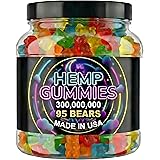
For those seeking comprehensive hair nourishment, hemp seed oil (Cannabis sativa seed oil) presents a compelling option among exotic oils for hair. This oil, extracted from the seeds of the hemp plant, is distinguished by its nearly perfect 3:1 ratio of omega-6 (linoleic acid) to omega-3 (alpha-linolenic acid) fatty acids, alongside gamma-linolenic acid (GLA), another beneficial omega-6. This balanced composition makes it exceptionally potent for both scalp and hair health, offering a holistic approach to managing dryness and promoting vitality.
Optimal Fatty Acid Ratios for Scalp Health
The unique balance of essential fatty acids in hemp seed oil is critical for maintaining the scalp’s lipid barrier and regulating inflammation. Linoleic acid and ALA are vital components of ceramides, which are lipid molecules found in the hair cuticle and scalp. By replenishing these essential lipids, hemp seed oil helps to reinforce the scalp’s protective barrier, preventing moisture loss and defending against irritants. GLA, a less common omega-6, is particularly noted for its anti-inflammatory properties, providing relief for irritated or dry scalps and supporting a healthy environment for hair follicles.
Restoring Hair’s Natural Shine and Elasticity
Hemp seed oil’s ability to deeply moisturize without leaving a heavy residue makes it an excellent choice for improving hair texture and appearance. It penetrates the hair shaft to provide deep hydration, enhancing elasticity and reducing the likelihood of breakage. The film-forming properties of its fatty acids also help to smooth the hair cuticle, leading to increased shine and effective frizz control. Furthermore, the oil contains a spectrum of vitamins (E, D, B1, B2, B6) and minerals, which collectively contribute to the overall strength and resilience of the hair, making it appear more vibrant and healthy.
Integrating Exotic Oils into Your Advanced Hair Care Regimen
Incorporating these potent exotic oils for hair into an advanced hair care routine requires an understanding of their distinct properties and how they interact with hair structure. Each oil, while offering broad benefits, excels in specific areas, allowing for targeted application strategies. For instance, the sebum-mimetic qualities of jojoba oil make it an excellent choice for scalp treatments, helping to balance oil production and soothe irritation. Its molecular similarity to natural scalp lipids allows for deep penetration without causing buildup, promoting a healthy foundation for hair growth.
Conversely, grapeseed oil, with its lightweight texture and powerful antioxidant content, is ideal for individuals seeking frizz control and shine without compromising volume. It can be applied to the mid-lengths and ends as a leave-in treatment or mixed into conditioners. Flaxseed oil, rich in omega-3s, is exceptional for strengthening the hair shaft and enhancing elasticity, proving beneficial for brittle or damaged hair. Hemp seed oil, offering a balanced spectrum of fatty acids and a wealth of vitamins, serves as a versatile all-rounder, nourishing both the scalp and hair to address chronic dryness and improve overall resilience. Experimentation with application methods—such as pre-shampoo treatments, post-wash serums, or overnight masks—will allow you to discover the most effective synergy for your unique hair needs, truly unlocking the potential of these botanical treasures for unparalleled hair hydration and vitality.
Beyond the Bottle: Dr. Rashmi Shetty Answers Your Hair Oil Questions
What are the main benefits of using exotic oils for hair?
Exotic oils are recommended by experts like Dr. Rashmi Shetty to deeply nourish hair, helping with hydration and reducing frizz naturally.
Why does hair become frizzy?
Hair gets frizzy when its outer layer, called the cuticle, lifts. This allows moisture to escape from the hair and external humidity to enter, making it appear unruly.
What makes Jojoba oil unique for hair care?
Jojoba oil is special because its structure is very similar to the natural oil (sebum) produced by our scalp. This allows it to hydrate hair and help balance scalp oil production effectively.
What are the key advantages of Grapeseed oil for hair?
Grapeseed oil is a lightweight oil rich in antioxidants, making it great for fine hair as it won’t weigh it down. It helps protect hair from damage and adds shine.