
Navigating the world of CBD oil for anxiety can feel confusing. Many people, like Natalie in the video above, seek natural options. They often face a maze of conflicting information. Understanding CBD helps clear this fog. This article explains what CBD is and how it might help you.
CBD, or cannabidiol, comes from the cannabis plant. It is growing in popularity as a supplement. People use it for various reasons, including anxiety relief. However, it is important to know the facts. This is especially true before trying any new product.
What Exactly Is CBD? Understanding the Basics
CBD stands for cannabidiol. It is one of over 100 compounds found in cannabis plants. These compounds are called cannabinoids. Cannabis plants actually include both hemp and marijuana. This can be a common source of confusion for many consumers. The legal differences are important to grasp. Different varieties produce different cannabinoids. It is a bit like apples and pears being both fruits.
Hemp plants typically contain higher levels of CBD. They have very low levels of THC. THC is the compound that causes a “high.” Marijuana plants are bred differently. They have much higher THC levels. CBD itself is not psychoactive. It will not make you feel intoxicated. This is a key point to remember about CBD oil for anxiety.
Hemp vs. Marijuana: The Key Difference
Both hemp and marijuana are cannabis plants. But they are distinct varieties. Think of them as cousins in a big family. Hemp is grown for its fibers, seeds, and CBD. Marijuana is primarily grown for its THC content. The law often distinguishes between them. This is based on their THC levels.
In many places, hemp is legal if its THC content is very low. This low THC level makes it non-intoxicating. For example, UK law says THC must be less than 1 mg per item. This is a very tiny amount. Marijuana remains illegal due to its higher THC content. So, while CBD comes from cannabis, it is not marijuana.
How Does CBD Work in Your Body? The Endocannabinoid System
Our bodies have a special internal system. It is called the endocannabinoid system (ECS). This system helps control many bodily functions. These include appetite, mood, sleep, and pain. It even helps with our response to stress and anxiety. Our bodies naturally produce their own cannabinoids. These are called endocannabinoids. They help keep our systems balanced.
CBD and THC also interact with this ECS. They are external cannabinoids. They can influence how our body’s system works. Scientists are still learning about these interactions. This is a truly exciting area of study. Understanding the ECS helps explain CBD’s potential effects. It shows why it might help with conditions like anxiety.
CBD for Anxiety: What the Research Says
Many people use CBD oil for anxiety. They report feeling calmer or more relaxed. Research into CBD is ongoing and promising. The video highlighted studies on high doses of CBD. These studies show positive results in certain areas. For instance, one study used 600 mg of CBD. This dose normalized brain dysfunction in those at risk of psychosis. This is a significant finding.
However, doses found in studies are often high. They range from 600 to 2,000 milligrams. This is much higher than many over-the-counter products. The products you find in shops or online typically have lower amounts. We simply don’t have enough evidence yet. It is not clear if these lower doses are as effective. Some reported benefits might be due to a placebo effect. A placebo effect can still be helpful for people. It is important to manage expectations.
Types of CBD Products
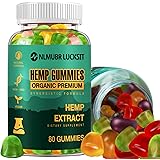
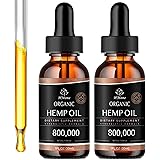
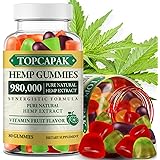
CBD products come in various forms. You can find oils, capsules, edibles, and vapes. Each type offers different absorption methods. Oils and tinctures are popular. They are taken sublingually, under the tongue. This allows for quick absorption. Capsules offer a convenient, pre-measured dose. Edibles, like gummies or chocolate, are tasty. They can take longer to show effects. Topical creams are for localized relief. They are not typically used for anxiety.
It is also useful to know about product types. Full-spectrum CBD contains all cannabinoids from the hemp plant. This includes trace amounts of THC. Broad-spectrum CBD contains multiple cannabinoids. However, it usually has zero THC. CBD isolate is pure CBD. It contains no other cannabinoids. Each type offers different benefits. Full-spectrum products might offer an “entourage effect.” This means all compounds work better together. This interaction could boost their overall effectiveness.
Navigating the Market: Legality and Regulation
The CBD market can seem like a wild west. In the UK, CBD oil is legal. But it comes with important restrictions. The amount of THC is the biggest concern. As mentioned, products must contain less than 1 mg of THC per item. This applies regardless of bottle size. This rule helps ensure products are non-psychoactive.
However, there are still gaps in regulation. Manufacturing standards for CBD supplements are not fully established. This means product quality can vary greatly. Some UK farmers cannot even harvest the CBD-rich parts of hemp. This is due to licensing laws. Much of the CBD in UK products is imported. It often comes from Europe or America. This fact surprises many consumers.
Product Quality: What to Look For
The video highlighted a critical issue. A product tested had four times the legal THC limit. This was despite its CBD content being accurate. This shows the importance of product testing. You need to be a smart consumer. Always look for evidence of third-party lab testing. This usually comes as a Certificate of Analysis (CoA).
A CoA provides crucial details. It confirms the actual CBD content. It also shows the THC levels. Importantly, it checks for contaminants. These include pesticides, heavy metals, and mold. Reputable brands will openly share their CoAs. You should easily find them on their websites. This transparency is a good sign. It helps ensure safety and quality. Without a CoA, you are buying blind.
Dosage Confusion: Milligrams vs. Percentage
Understanding dosage can be tricky. Products often list milligrams (mg) or percentages (%). Natalie in the video was confused. She wondered what the different colors meant. Milligrams refer to the total CBD in the bottle. They also indicate CBD per serving. Percentages show the CBD concentration. A higher percentage means a stronger product. For example, a 10% CBD oil is stronger than a 5% oil. It will deliver more CBD per drop. Always check the serving size. Also, look at the total CBD per container. This helps you calculate your dose. Start with a low dose and increase slowly. This allows you to find what works best for you.
Before Taking CBD Oil for Anxiety: Talk to Your Doctor
Considering CBD oil for anxiety? It is very important to speak with your doctor. This advice was stressed in the video. Your doctor can offer personalized guidance. They know your medical history. They also understand any medications you currently take. CBD can interact with certain prescription drugs. This is a serious concern. It could affect how your medications work. It might also increase side effects.
Your doctor can help you assess risks and benefits. They can also advise on appropriate dosages. Never stop taking prescribed medication without medical advice. CBD should not replace proven treatments. It can be a complementary option. But always ensure professional oversight. Your health and safety are paramount.
Many people find CBD oil for anxiety to be a helpful addition to their wellness routine. However, the market is complex. It requires careful navigation. By staying informed, you can make smarter choices. Look for reputable brands with transparent testing. Always prioritize your health. Discuss any new supplements with your doctor.
Your CBD for Anxiety Journey: Questions & Insights
What is CBD oil?
CBD, or cannabidiol, is a compound found in cannabis plants, especially hemp. It’s used as a supplement for various reasons, including potential anxiety relief, and will not make you feel high.
Is CBD oil the same as marijuana?
No, CBD oil is not the same as marijuana. While both come from the cannabis plant family, CBD oil is typically made from hemp plants, which contain very low levels of THC, the compound that causes a ‘high’.
How can I choose a safe and good quality CBD product?
Always look for products that provide a Certificate of Analysis (CoA) from third-party lab testing. This verifies the actual CBD and THC content and checks for harmful contaminants.
Should I talk to my doctor before using CBD oil for anxiety?
Yes, it is very important to consult your doctor before trying CBD oil. They can advise you based on your medical history and current medications, as CBD can interact with some prescription drugs.