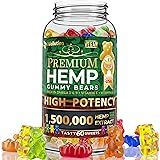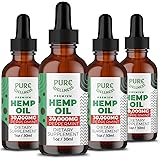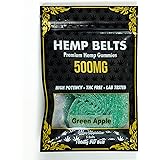

Imagine a time when you felt overwhelmed, perhaps struggling to find calm amidst life’s chaos, or dealing with persistent discomfort that just wouldn’t ease. Many of us seek natural solutions to support our well-being, looking for ways to integrate health choices into a busy lifestyle. It’s a journey I know well, one of constantly exploring options that genuinely make a difference. Today, we’re diving deeper into a topic that, for many years, carried a cloud of misconception: **CBD oil**. As Jessica highlights in the video above, understanding what CBD is and how it interacts with our bodies can truly empower us to make informed decisions for ourselves and our families.
For too long, the mere mention of cannabis-derived products has been met with skepticism and misunderstanding. However, as research progresses and public perception shifts, a clearer picture of compounds like CBD is emerging. This powerful plant extract offers a range of potential health benefits, all without the psychoactive effects often associated with its plant family. Let’s explore the science, the legality, and the everyday applications of this remarkable compound.
Demystifying CBD Oil: What It Is (and Isn’t)
One of the first hurdles to overcome when discussing CBD is its origin. While it’s true that CBD comes from the cannabis plant, it is distinctly different from THC, the compound responsible for marijuana’s “high.” CBD, or cannabidiol, is merely one of over a hundred cannabinoids found in the plant. Its non-psychoactive nature means it won’t produce any intoxicating effects, making it a focus for therapeutic research.
The “bad rap” that CBD has historically received is largely due to its association with marijuana. However, understanding the difference between hemp and marijuana is key. Both are varieties of the same species, Cannabis sativa, but they are cultivated for different purposes and have vastly different chemical profiles. Hemp, by legal definition, contains very low levels of THC—typically less than 0.3%—making it non-intoxicating and distinct from marijuana, which has higher THC concentrations.
When you encounter products labeled “hemp oil” at your local grocery store, it’s important to note that this is usually different from **CBD oil**. Regular hemp oil is often made from seeds and primarily used for nutritional benefits, lacking significant CBD content. True CBD oil is extracted specifically from the flowering buds and leaves of the hemp plant, where cannabinoids are most abundant, using specialized methods to ensure purity and potency.
The Legality Landscape of CBD Oil
The legal status of CBD has historically been a complex and evolving issue. As mentioned in the video, many states have moved towards legalization for medical marijuana, and a significant number have also made exceptions for CBD specifically due to its therapeutic promise. Federally, a major shift occurred with the passage of the 2018 Farm Bill, which legalized hemp and, by extension, hemp-derived CBD products across the United States. This means that if the CBD is extracted from hemp containing less than 0.3% THC, it is considered legal at the federal level.
Despite federal legality, state-level regulations can still vary widely, creating a mosaic of rules for consumers and businesses. It’s always a good practice to be aware of the specific laws in your area. This legal clarity, however, has paved the way for more widespread research and acceptance, allowing more people to openly explore the health benefits of **CBD oil** without fear of legal repercussions.
How CBD Oil Interacts with Your Body: The Endocannabinoid System
To truly appreciate how CBD works, we need to understand a fascinating system within our own bodies: the endocannabinoid system (ECS). This intricate network of receptors, enzymes, and naturally produced cannabinoids (endocannabinoids) is present throughout the brain, organs, connective tissues, glands, and immune cells. Its primary role is to maintain homeostasis, or balance, in the body.
The ECS influences a wide array of physiological processes, including mood, sleep, appetite, pain sensation, immune function, and memory. While THC directly binds to certain receptors within the ECS, CBD operates differently. Instead of directly binding, CBD influences the system indirectly, helping to enhance the body’s own endocannabinoids and interact with other non-cannabinoid receptors. This nuanced interaction is what allows CBD to promote balance and wellness without causing a “high.”
Exploring the Wellness Benefits of CBD Oil
The versatility of **CBD oil** is truly remarkable, with research pointing to its potential in addressing a variety of health concerns. Let’s delve into some of the most compelling benefits highlighted in the video and expand on how they might positively impact your life.
Alleviating Pain and Inflammation
One of the most common reasons people turn to CBD is for its powerful anti-inflammatory and pain-relieving properties. Imagine if a gentle plant extract could soothe chronic discomfort without the harsh side effects often associated with traditional pain medications. Studies suggest that CBD can help mitigate both acute and chronic pain by interacting with neurotransmitters and reducing inflammation throughout the body.
For individuals suffering from conditions like chronic back pain, arthritis, or even the complex pain of multiple sclerosis, CBD offers a promising alternative. The speaker in the video rightly points out that CBD is considered significantly less harmful than opiates, which have contributed to a widespread public health crisis. Its ability to reduce inflammation makes it a valuable tool for managing various forms of discomfort, supporting the body’s natural healing processes.
Reducing Anxiety and Stress
If you’ve ever felt the grip of mounting stress or the racing thoughts of anxiety, the idea of a natural calm can be incredibly appealing. Many individuals find that **CBD oil** helps them manage everyday stress and specific anxiety disorders. Unlike THC, which can sometimes induce paranoia or heighten anxiety in sensitive individuals, CBD has the opposite effect, promoting a sense of calm and relaxation.
Research indicates that CBD can help reduce heart rate and blood pressure in response to stress, making it a valuable aid for those who experience the physical manifestations of anxiety. Picture yourself navigating a busy day with a newfound sense of serenity, less prone to the usual triggers that escalate tension. For those with panic attack disorders, CBD’s ability to promote a tranquil state without sedation can be particularly beneficial.
Improving Sleep Quality
The quest for restful sleep is a universal challenge for many, and it’s another area where **CBD oil** has shown significant promise. Due to its calming and anti-anxiety effects, CBD can contribute to both the quality and quantity of sleep. If your sleep is often disrupted by racing thoughts or chronic pain, CBD may offer relief.
Studies suggest that people who incorporate CBD oil into their routine often experience increased sleep time and a reduction in instances of insomnia. Consider the profound difference a night of deep, uninterrupted sleep could make to your energy levels, mood, and overall cognitive function the following day. By addressing underlying issues like pain and anxiety, CBD helps create an optimal environment for restorative sleep.
Potential for Diabetes Prevention
This particular discovery often surprises those new to CBD research, but emerging evidence suggests a fascinating link between **CBD oil** and metabolic health. Studies have indicated that CBD may increase insulin sensitivity and reduce inflammation in the pancreas, both critical factors in the prevention and management of diabetes. The pancreas plays a vital role in producing insulin, and reducing inflammation in this organ can significantly support its function.
Envision a natural compound assisting your body’s vital systems, subtly working to maintain healthy glucose levels and reduce inflammation where it matters most. While not a cure, these findings suggest that CBD could be a valuable complementary tool for those at risk of diabetes or looking to support their metabolic health.
Anti-Cancer Properties
Perhaps one of the most astonishing areas of CBD research is its potential anti-cancer properties. It might sound counterintuitive to hear “cell death” in a positive light, but when it applies to cancerous cells, it’s a profound benefit. Studies have shown that CBD can stimulate apoptosis (programmed cell death) in certain types of cancer cells, while leaving healthy cells unharmed. Furthermore, research suggests it may inhibit tumor growth and prevent the spread of cancerous cells throughout the body.
It’s crucial to emphasize that this research is ongoing and **CBD oil** is not presented as a standalone cure for cancer. However, the potential for a natural compound to selectively target and suppress cancer cells without the severe side effects of conventional treatments offers immense hope and warrants continued investigation in the medical community.
Reduction of Seizures (Epilepsy)
For parents and individuals grappling with epilepsy, the search for effective treatments is relentless. CBD gained significant public attention and medical recognition for its profound impact on reducing seizures, particularly in children with severe forms of epilepsy like Dravet syndrome and Lennox-Gastaut syndrome. In one remarkable study highlighted in the video, children who had previously tried an average of 12 different prescription medications found CBD to be 80% effective in reducing their seizure frequency.
Think of the hope offered by a compound that, for a significant majority of children who had exhausted numerous other options, finally brought a measure of relief from debilitating seizures. This area of research is among the most robust for CBD, leading to the FDA approval of a CBD-derived medication for certain types of epilepsy, solidifying its place in conventional medicine for this condition.
Choosing Quality CBD Oil Products
As the popularity of **CBD oil** has skyrocketed, so has the market. The video rightly cautions about the “speed to market” phenomenon, where many companies rush to offer products without adequate quality control. Sourcing high-quality CBD is paramount to ensure you’re getting a safe, effective, and pure product. Here are key factors to consider:
- Third-Party Lab Testing: Always look for products that provide Certificates of Analysis (COAs) from independent labs. These reports verify the CBD and THC content, and confirm the absence of contaminants like pesticides, heavy metals, and mold.
- Source of Hemp: Opt for products made from organically grown hemp, preferably sourced from the U.S. Organic farming practices ensure the hemp is free from harmful chemicals, which can be absorbed by the plant from the soil.
- Extraction Method: CO2 extraction is widely considered the gold standard, as it uses pressurized carbon dioxide to pull CBD from the plant, resulting in a clean, pure extract without harsh chemical residues.
- Full-Spectrum, Broad-Spectrum, or Isolate: Understand the differences. Full-spectrum CBD contains all cannabinoids (including trace THC), terpenes, and flavonoids from the hemp plant, offering an “entourage effect.” Broad-spectrum CBD contains multiple cannabinoids and terpenes but has had the THC removed. CBD isolate is pure CBD with no other plant compounds.
- Dosage and Concentration: Start with a low dose and gradually increase until you find what works best for you. Consulting with a healthcare professional knowledgeable about CBD can provide personalized guidance.
The journey to holistic wellness often involves exploring new avenues and making informed choices that resonate with your personal health philosophy. The growing body of research, coupled with countless personal testimonies, paints a compelling picture of **CBD oil** as a versatile, natural compound with significant therapeutic potential. As Jessica mentions in the video, this plant chemical offers a safe and effective way to support the body’s natural healing processes, often working in harmony with our internal systems rather than just masking symptoms. For a list of reputable brands and more resources, be sure to check the description box of the video above. Understanding these details is crucial for making the best decisions for your health and that of your family.
Demystifying CBD: Your Questions Answered
What is CBD?
CBD, or cannabidiol, is a natural compound found in the cannabis plant. Unlike THC, it is non-psychoactive, meaning it won’t cause a ‘high’.
Is CBD oil legal?
Federally, CBD oil derived from hemp containing less than 0.3% THC is legal in the United States, thanks to the 2018 Farm Bill. However, state-level regulations can still vary.
How does CBD interact with my body?
CBD interacts with your body’s endocannabinoid system (ECS), which helps maintain balance in various bodily functions. It influences this system indirectly to promote overall wellness.
What are the main benefits of using CBD oil?
Many people use CBD oil to help with pain and inflammation, reduce feelings of anxiety and stress, and improve their sleep quality.