
A common point of confusion for many individuals exploring natural wellness products often centers on the distinction between CBD oil and hemp seed oil. As Dr. Richard Harris explains in the video above, these two products, while both derived from the hemp plant, possess fundamentally different compositions and effects. It is vital for consumers to understand the core differences between CBD oil and hemp seed oil to make informed decisions about their health and wellness routines.
The primary takeaway is clear: if the therapeutic benefits associated with cannabinoids are being sought, a specific CBD product is required. Hemp seed oil, despite its health advantages, will not deliver these effects.
Understanding the Core Difference Between CBD Oil and Hemp Seed Oil
The fundamental disparity between CBD oil and hemp seed oil lies in which part of the hemp plant they are extracted from. These distinct origins lead to vastly different chemical profiles and potential uses. Simply put, they are not interchangeable, even though they share a common plant source.
CBD oil is typically extracted from the flowers, leaves, and stalks of the hemp plant. It is in these parts that cannabinoids, such as cannabidiol (CBD), are found in significant concentrations. Conversely, hemp seed oil is derived exclusively from the seeds of the hemp plant, which naturally contain very little to no cannabinoids.
What Exactly is CBD Oil? Exploring Cannabinoids
CBD oil is prized for its cannabidiol content, a non-intoxicating compound that interacts with the body’s endocannabinoid system. This system is believed to play a role in regulating various bodily functions, including mood, sleep, appetite, and pain sensation. The interaction of CBD with this system is what leads to its reported therapeutic effects.
Numerous studies are being conducted to understand the full scope of CBD’s potential. It is often investigated for its anti-inflammatory properties, potential anxiety-reducing effects, and its role in managing certain types of chronic pain. When discussing CBD oil and hemp seed oil, it is these specific benefits that often cause the most confusion.
There are different types of CBD oil available, each with a unique cannabinoid profile. Full-spectrum CBD oil contains all the cannabinoids, terpenes, and flavonoids naturally found in the hemp plant, including trace amounts of THC (under 0.3%). Broad-spectrum CBD oil includes multiple cannabinoids and terpenes but no detectable THC, while CBD isolate is pure CBD, with all other plant compounds removed.
The Nutritional Powerhouse: Delving into Hemp Seed Oil
While hemp seed oil does not contain cannabinoids like CBD, it is far from being without value. In fact, it is celebrated as a highly nutritious culinary and dietary supplement. This oil is extracted by pressing the seeds of the hemp plant, a process that yields a rich, green oil.
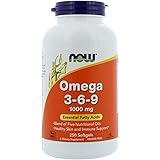
Hemp seed oil is packed with essential fatty acids, including omega-3 and omega-6, in an optimal ratio for human health. These fatty acids are crucial for cardiovascular health, brain function, and reducing inflammation. Furthermore, it contains a good source of vitamin E, which acts as an antioxidant, and various minerals like magnesium, potassium, and phosphorus.
Imagine if a person were seeking relief from joint discomfort; hemp seed oil would not provide the targeted cannabinoid support. However, if they were looking to enhance their dietary intake of healthy fats and vitamins, hemp seed oil would be an excellent choice. It is primarily used for its nutritional benefits, rather than for effects related to cannabinoids.
Why the Confusion Persists: Marketing and Misinformation
The misunderstanding surrounding CBD oil and hemp seed oil is often compounded by marketing practices and a lack of clear information. Both products often come from the same plant, which contributes to the perception that they are similar or identical. Furthermore, the term “hemp oil” is sometimes used ambiguously, covering both CBD-rich extracts and basic hemp seed oil.
Some products labeled simply as “hemp oil” may contain very low levels of cannabinoids or none at all, despite implying otherwise. This can be misleading for consumers who are specifically seeking the benefits of CBD. It is essential for consumers to be aware of these potential pitfalls when browsing for products.
A common scenario involves a product highlighting “hemp extract” on its label without specifying the presence or quantity of CBD. While technically true that hemp seed oil is a “hemp extract,” it does not equate to a CBD-rich extract. This semantic ambiguity can lead to disappointment for consumers expecting cannabinoid effects.
Decoding Product Labels: Ensuring You Get What You Need
To ensure that the correct product is being purchased, careful attention must be paid to product labeling. When searching for CBD oil, the label should explicitly state “CBD” or “cannabidiol” and provide the exact amount in milligrams (mg). This information is crucial for understanding the potency and dosage.
Conversely, if hemp seed oil is desired for its nutritional value, the label will typically specify “hemp seed oil” or “cold-pressed hemp oil.” It will often highlight the omega fatty acid content rather than cannabinoid levels. The distinction is usually made very clear when the product is honestly labeled.
Another key indicator of quality CBD products is the availability of third-party lab testing results. These certificates of analysis (COAs) verify the cannabinoid content, including CBD and THC levels, and confirm the absence of contaminants like heavy metals, pesticides, and mold. Such transparency is rarely provided for simple hemp seed oil products.
Choosing High-Quality CBD Products: What to Look For
When selecting a CBD product, quality and transparency are paramount. As was mentioned, a “high-quality CBD product” is needed to achieve the expected effects. This ensures that a product contains the advertised amount of CBD and is free from harmful substances.
Look for companies that are transparent about their sourcing, extraction methods, and third-party lab testing. The type of extraction used, such as CO2 extraction, can also indicate a purer product. Furthermore, reputable brands will provide clear dosing instructions and offer customer support for any queries.
Whether the goal is nutritional support or the specific benefits of cannabinoids, understanding the difference between CBD oil and hemp seed oil is essential. Consumers are empowered to make choices that align with their wellness goals when this distinction is clearly understood.
Your CBD & Hemp Seed Oil Questions, Demystified
What is the main difference between CBD oil and hemp seed oil?
CBD oil contains cannabinoids like cannabidiol, which are linked to therapeutic benefits. Hemp seed oil does not contain cannabinoids but is valued for its nutritional content.
Where do CBD oil and hemp seed oil come from on the hemp plant?
CBD oil is extracted from the flowers, leaves, and stalks of the hemp plant. Hemp seed oil is derived exclusively from the seeds.
What are the common uses or benefits of CBD oil?
CBD oil is often used for its potential therapeutic effects, which may include helping with mood, sleep, appetite, and pain sensation by interacting with the body’s systems.
What are the common uses or benefits of hemp seed oil?
Hemp seed oil is prized for its nutritional value, being rich in essential fatty acids like omega-3 and omega-6, and vitamins such as vitamin E. It is primarily used as a dietary supplement.