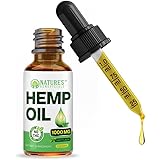

The beauty and wellness industries have witnessed a profound transformation with the emergence of cannabinoid-infused products. In particular, cannabidiol, widely known as CBD, has rapidly permeated various consumer goods, extending from lattes and baked goods to an extensive array of personal care items. This ingredient is frequently championed as a significant innovation in skincare, often cited for its potential to alleviate symptoms associated with dry skin, mitigate inflammation, and address other dermatological concerns through its noted anti-inflammatory and antioxidant properties. However, a discerning perspective is often required to differentiate between scientifically substantiated claims and prevailing marketing trends in the realm of CBD beauty products.
As discussed in the accompanying video, the ascent of cannabis-based cosmetics has prompted both enthusiasm and skepticism among consumers and industry professionals alike. A fundamental understanding of CBD’s nature and its distinctions from other cannabis-derived compounds is paramount for informed decision-making. Despite common misconceptions, CBD is a non-psychoactive compound. It does not induce the “high” typically associated with cannabis, as this effect is primarily attributed to tetrahydrocannabinol (THC), another cannabinoid predominantly found in marijuana plants.
Understanding Cannabinoid Terminology in Skincare
The complex nomenclature surrounding cannabis derivatives frequently leads to consumer confusion, particularly concerning the ingredients found in cosmetic formulations. A clear differentiation between key terms is, therefore, essential when evaluating **CBD beauty products**.
1. Differentiating CBD from THC and Hemp Derivatives
Cannabidiol (CBD) is a phytocannabinoid extracted from the leaves, flowers, and stalks of the hemp plant. Its molecular structure is identical whether derived from hemp or marijuana plants, but its legal status and psychoactive potential are significantly influenced by its source and accompanying THC levels. THC, or delta-9-tetrahydrocannabinol, is the psychoactive component responsible for the intoxicating effects of cannabis. Regulatory frameworks generally stipulate that hemp-derived CBD products must contain less than 0.3% THC by dry weight to be considered federally legal in the United States, as was established by the 2018 Farm Bill.
Another common ingredient often confused with CBD is Cannabis Sativa Seed Oil, commonly referred to as hemp seed oil. This oil is extracted from the seeds of the hemp plant and has been a staple in cosmetics for decades. It is rich in essential fatty acids, such as omega-3 and omega-6, and offers significant moisturizing and emollient benefits. However, it typically contains negligible amounts of cannabinoids, including CBD. As noted by cosmetic chemist Saina Taidi in the video, hemp seed oil is a distinct component from CBD oil, which is a finer and lighter oil derived specifically from the plant’s trichome-rich parts rather than its seeds.
2. The Legal and Regulatory Landscape for CBD in Skincare
The legality of hemp-derived CBD saw a substantial shift in the United States following the passage of the 2018 Farm Bill. This legislation reclassified hemp, removing it from the Schedule I controlled substances list and legalizing its cultivation and the commercial production of hemp-derived products, including CBD, across all 50 states, provided the THC concentration remains below the 0.3% threshold. This pivotal legislative change catalyzed the rapid expansion of the **CBD beauty products** market. Conversely, marijuana-derived CBD, which typically contains higher levels of THC, remains federally illegal and is only permissible in states where recreational or medical marijuana has been legalized. In Canada, topical cannabis products, including those containing CBD, are legal but are subject to strict regulations, necessitating purchases from federally licensed retailers.
Addressing Mislabeling and Transparency in CBD Cosmetics
A significant challenge confronting consumers of **CBD beauty products** is the pervasive issue of product mislabeling and lack of transparency. A study conducted in 2017 highlighted that a concerning proportion—nearly 70%—of CBD products available online were inaccurately labeled regarding their cannabinoid content. This issue underscores the critical need for vigilance among consumers and stricter oversight within the industry.
1. Implications of Inaccurate Product Information
The misrepresentation of ingredients can manifest in several ways: products may claim to contain CBD but instead feature hemp seed oil, or the actual CBD content may significantly differ from what is stated on the label. Such discrepancies not only mislead consumers but also undermine trust in the entire segment. When a product marketed as CBD-infused, such as the mascara mentioned in the video, is found to contain only Cannabis Sativa Seed Oil, it demonstrates a clear deceptive practice. Consumers are led to believe they are purchasing a product with specific therapeutic properties associated with CBD, when in reality, they are receiving an ingredient with a different chemical profile and distinct benefits.
To mitigate the risks associated with mislabeled products, consumers are advised to seek out brands that provide easily accessible third-party lab testing results, often referred to as Certificates of Analysis (CoAs). These reports should detail the exact cannabinoid profile, including CBD and THC levels, and confirm the absence of contaminants such as heavy metals, pesticides, and microbial impurities. The presence of “Cannabidiol” or “Full Spectrum Hemp Extract” in the ingredient list, coupled with verifiable third-party testing, generally indicates a more transparent and reliable product.
The Scientific Basis for CBD in Skincare: Separating Hype from Evidence
Despite the enthusiastic marketing surrounding **CBD beauty products**, the scientific community maintains a more cautious stance regarding their dermatological efficacy. While CBD possesses properties that are theoretically beneficial for skin health, comprehensive clinical evidence to support all common claims is still being developed.
1. Known Properties and Potential Benefits
CBD is recognized for its potent anti-inflammatory and antioxidant capabilities. These attributes make it an attractive candidate for addressing various skin conditions. Inflammation is a common underlying factor in dermatological issues such as acne, eczema, psoriasis, and general skin irritation. By modulating inflammatory responses, CBD could potentially help to calm irritated skin and reduce redness. Its antioxidant properties may contribute to protecting the skin from environmental stressors and oxidative damage, which are implicated in premature aging.
The interaction of CBD with the skin’s endocannabinoid system (ECS) is also a significant area of research. The ECS is a complex cell-signaling system that plays a crucial role in regulating various physiological processes, including skin barrier function, cell proliferation, and immune responses. Topical application of CBD is believed to interact with cannabinoid receptors (CB1 and CB2) located in the skin, potentially exerting localized therapeutic effects without systemic absorption or psychoactive outcomes.
2. The Current State of Clinical Evidence
As elucidated by Dr. Sandy Skotnicki, a dermatologist featured in the video, much of the robust scientific evidence for CBD’s therapeutic potential primarily exists outside the realm of skincare. More compelling studies have been conducted on its efficacy in pain control, particularly for arthritic pain and generalized anti-inflammatory effects on joints. This suggests that while CBD’s systemic anti-inflammatory properties are being established, its specific benefits when applied topically for skin conditions like acne reduction or wrinkle alleviation require further extensive clinical trials.
The industry is still relatively nascent, and the rigorous, large-scale, placebo-controlled studies typically needed to validate skincare ingredients are largely pending for CBD. Therefore, while anecdotal reports and preliminary research offer promise, claims about CBD’s ability to “clear up your acne” or “erase wrinkles” are often considered speculative at this juncture and may be driven more by marketing than by concrete scientific validation.
Considerations for Consumers: Potential Side Effects and Vigilance
While often promoted as a natural and gentle ingredient, CBD, like any active compound, carries the potential for side effects, particularly when incorporated into skincare formulations. Dr. Sandy Skotnicki emphasizes that the botanical origin of an ingredient does not inherently guarantee its absolute safety or freedom from adverse reactions.
1. Allergic Reactions and Sensitization
Topical application of any substance, including those derived from plants, can trigger allergic contact dermatitis in susceptible individuals. As the use of **CBD beauty products** becomes more widespread and concentrations within formulations potentially increase, the incidence of allergic reactions may also rise. Areas of the body with thinner, more sensitive skin, such as the lips or around the eyes (e.g., in mascaras), are particularly vulnerable to sensitization and irritation. Symptoms can range from redness, itching, and burning to more severe rashes or swelling. Consumers are advised to perform a patch test on a small, inconspicuous area of skin before applying new CBD products widely.
2. The Importance of Formulation and Concentration
The efficacy and safety of a CBD product are not solely dependent on the presence of CBD itself but also on the overall formulation. The choice of carrier oils, additional active ingredients, preservatives, and fragrances can all influence the product’s performance and potential for adverse reactions. High concentrations of CBD are not necessarily superior and might, in some cases, increase the risk of irritation without providing additional therapeutic benefits for certain conditions. An understanding of the product’s full ingredient list and a consultation with a dermatologist can be beneficial, especially for individuals with pre-existing skin sensitivities or conditions.
Illuminating CBD Beauty: Your Questions Answered
What is CBD in beauty products?
CBD, or cannabidiol, is a non-psychoactive compound extracted from the hemp plant, often included in beauty products for its potential anti-inflammatory and antioxidant properties.
Will CBD beauty products make me feel high?
No, CBD is a non-psychoactive compound and does not produce the ‘high’ typically associated with cannabis; that effect comes from THC.
Is hemp seed oil the same as CBD oil in beauty products?
No, hemp seed oil is extracted from the seeds and offers moisturizing benefits with negligible cannabinoids, while CBD oil comes from other parts of the plant and contains active CBD.
How can I tell if a CBD beauty product is accurately labeled?
You should look for brands that provide third-party lab testing results (Certificates of Analysis) and check for ‘Cannabidiol’ or ‘Full Spectrum Hemp Extract’ in the ingredient list.
Can CBD beauty products cause skin irritation?
Yes, like any active ingredient, CBD can potentially cause allergic reactions or irritation in susceptible individuals, so it’s recommended to do a patch test before widespread use.