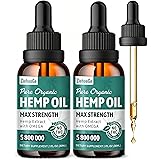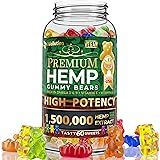

The beauty and wellness landscape has been dramatically reshaped by the emergence of new, plant-derived ingredients, with Cannabidiol (CBD) standing out as a notable trend. While the accompanying video offers an excellent introductory overview from a seasoned skincare professional, a deeper dive into the science, applications, and considerations surrounding CBD beauty products is often sought by consumers. Understanding this complex ingredient is crucial for making informed decisions about its role in one’s skincare regimen.
The burgeoning interest in CBD skincare is largely attributed to its touted anti-inflammatory and antioxidant properties. However, navigating the market can be challenging, especially given the current regulatory environment. Consumers are frequently exposed to a multitude of products, each promising various benefits, yet the actual efficacy can vary wildly. This guide aims to expand upon the foundational knowledge provided, offering a more comprehensive perspective on integrating CBD into your beauty routine.
Understanding CBD in Skincare: Beyond the Hype
The term “CBD” itself often generates confusion, particularly when discussed alongside related compounds and oils. It is important that a clear distinction be made between CBD and other derivatives of the cannabis plant. This clarity is foundational to appreciating the unique benefits offered by CBD beauty formulations.
1. Differentiating Hemp Oil from CBD
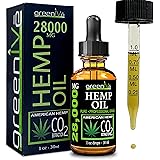
A common misconception frequently observed in the skincare industry involves the interchangeable use of “hemp oil” and “CBD oil.” These are, in fact, two distinctly different ingredients, each offering a unique set of benefits for the skin. Hemp seed oil, derived from the seeds of the Cannabis sativa plant, is known for its richness in essential fatty acids like Omega 3 and Omega 6, along with various vitamins and phytonutrients.
Its primary role in skincare is often as an emollient and moisturizer, helping to nourish and soften the skin without necessarily providing the targeted therapeutic effects associated with CBD. By contrast, CBD, or Cannabidiol, is a specific chemical compound extracted primarily from the leaves, flowers, and stalks of the hemp plant. It is this compound that is recognized for its potential anti-inflammatory and soothing properties, which are largely absent in hemp seed oil or are present only in trace, non-efficacious amounts.
2. CBD vs. THC: Clarifying the Compounds
Another crucial distinction pertains to CBD and Tetrahydrocannabinol (THC). While both are cannabinoids found in the cannabis plant, their effects are markedly different. THC is the psychoactive compound responsible for the “high” associated with marijuana.
In the context of legal CBD skincare products, the THC content is strictly regulated and must be less than 0.3%. This minimal concentration ensures that topical applications of CBD do not produce any hallucinogenic or intoxicating effects. Therefore, concerns regarding psychological alteration from CBD beauty products are largely unfounded when products adhere to these legal limits.
The Science of CBD for Skin Health
The growing interest in CBD beauty is largely driven by its promising therapeutic potential, particularly its anti-inflammatory and antioxidant properties. These attributes are being extensively studied for their implications in various skin conditions.
1. Anti-Inflammatory Properties
One of the most celebrated benefits of CBD is its powerful anti-inflammatory action. Chronic inflammation is known to be a root cause of numerous skin issues, including acne, eczema, psoriasis, and general redness or irritation. Imagine if a product could help calm the skin’s inflammatory response, reducing visible signs of distress.
CBD is believed to exert its anti-inflammatory effects by interacting with the body’s endocannabinoid system (ECS). This complex network of receptors and neurotransmitters plays a crucial role in regulating various physiological processes, including immune response and inflammation. Through this interaction, CBD may help to modulate inflammatory pathways, leading to a reduction in redness, swelling, and discomfort often associated with stressed skin.
2. Antioxidant Benefits
Beyond inflammation, CBD is also recognized as a potent antioxidant. Environmental aggressors, such as pollution and UV radiation, produce free radicals that can cause oxidative stress, leading to premature aging, dullness, and damage to skin cells. Antioxidants work by neutralizing these harmful free radicals, thereby protecting the skin from damage.
The presence of natural antioxidants like Vitamin C, Vitamin E, and various phytonutrients within the cannabis plant further enhances its protective capacity. These components, alongside CBD, contribute to a comprehensive defense mechanism against environmental stressors. Regular application of CBD skincare products can thus support skin resilience and promote a more youthful, radiant complexion.
3. Supporting the Endocannabinoid System (ECS)
The endocannabinoid system (ECS) is fundamental to maintaining homeostasis, or equilibrium, within the body. It governs a wide array of functions, including appetite, mood, pain sensation, digestion, and metabolic processes. The ECS is also present in the skin, where it regulates crucial functions such as cell proliferation, differentiation, and survival, as well as immune and inflammatory responses.
It is understood that cannabinoids, including CBD, can interact with cannabinoid receptors (CB1 and CB2) located throughout the skin. This interaction is believed to help restore balance and alleviate symptoms of various skin conditions. For instance, in cases of pain or itching, CBD’s influence on the ECS may help to reduce the sensation, offering relief from discomfort.
Choosing Effective CBD Skincare Products
Given the current lack of comprehensive FDA regulation in the CBD beauty sector, consumers must exercise diligence when selecting products. The quality and efficacy of CBD formulations can vary significantly, underscoring the importance of informed purchasing decisions.
1. Understanding Extraction Methods
The method by which CBD is extracted from the hemp plant significantly influences the purity, potency, and cost of the final product. Three primary extraction techniques are commonly employed, each with distinct advantages and disadvantages:
-
Alcohol Extraction: This method involves soaking the hemp plant in an alcohol solvent, which dissolves the cannabinoids and other plant compounds. While it is generally the least expensive method, often reflected in lower-priced products (e.g., $7.99-$10.99), the quality can be inconsistent. Residual solvents may remain if not properly purged, potentially impacting the final product’s purity.
-
Oil Extraction: As one of the oldest methods, oil extraction involves heating the hemp plant with a carrier oil, such as olive oil or coconut oil. The cannabinoids are then infused into the oil. This method is relatively simple but often yields lower concentrations of CBD and can be less efficient in extracting the full spectrum of beneficial compounds.
-
CO2 Extraction: Often regarded as the gold standard, CO2 extraction utilizes specialized equipment to pass pressurized carbon dioxide through the hemp plant. This process precisely isolates CBD and other cannabinoids without the use of harsh chemical solvents. While this method is the most expensive, it consistently produces highly pure and potent CBD extracts. Products derived from CO2 extraction are typically higher in price, but they are also more likely to deliver reliable and consistent results.
2. Navigating the Regulatory Landscape
The absence of strict regulations from bodies like the U.S. Food and Drug Administration (FDA) for CBD skincare products presents a significant challenge for consumers. Without clear guidelines for manufacturing, labeling, and quality control, manufacturers have considerable leeway, which can lead to misrepresentation. Imagine a scenario where a product claims to contain 300 milligrams of CBD, yet laboratory testing reveals only 22 milligrams, or even just trace amounts. Such discrepancies are not uncommon, as highlighted by various studies.
This “Wild West” environment necessitates that consumers become their own advocates. It is advisable to look for brands that provide readily accessible third-party lab reports (Certificates of Analysis, or COAs). These reports verify the CBD content, confirm the absence of THC above legal limits, and check for contaminants such as heavy metals, pesticides, and microbial impurities. Without such transparency, it is virtually impossible to ascertain the true content and safety of a CBD product.
3. Pro Tips for Product Application
When incorporating CBD into a skincare routine, the type of product and its application method can greatly influence its effectiveness. As a general recommendation from skincare professionals, concentrating on leave-on products often yields better results compared to rinse-off formulations.
-
Avoid Water-Based Cleansers with CBD Claims: If a cleanser boasts CBD as a key ingredient, skepticism is warranted. The contact time with the skin is too brief for any significant absorption of CBD to occur before it is rinsed away. The benefits, if any, would likely be minimal.
-
Focus on Leave-On Formulations: For optimal efficacy, prioritize products designed to remain on the skin for extended periods. This includes oils, gels, serums, lotions, and creams. These formulations allow sufficient time for the CBD to penetrate the skin and interact with the local cannabinoid receptors, maximizing its potential anti-inflammatory and soothing effects. Imagine if a luxurious CBD-infused serum could work throughout the night, deeply calming irritated skin.
Considerations and Professional Consultation
While CBD skincare holds considerable promise, it is imperative to approach its use with caution and informed awareness. Certain individual factors and existing health conditions may necessitate professional guidance.
1. Potential Contraindications
Although topical application of CBD is generally considered safe, especially due to the minimal systemic absorption, certain contraindications warrant consideration. Firstly, individuals with known allergies to plants, mold, dust, or dander should proceed with caution, as CBD is derived from a plant. Secondly, if any active ingredients are currently being used in your skincare routine, or if you are on oral antibiotics, a consultation with a dermatologist or a licensed skincare professional is strongly recommended. These combinations could potentially lead to adverse reactions or diminish the efficacy of either treatment.
Thirdly, while topical CBD is less likely to interact with ingested medications compared to oral CBD supplements, it is always prudent to discuss new treatments with a healthcare provider. A doctor or nutritionist can provide personalized advice based on your complete health profile. It is understood that professional guidance plays a pivotal role in safely integrating new ingredients like CBD into any regimen.
2. Benefits in Professional Spa and Facial Treatments
The integration of CBD into professional spa treatments and facials has become increasingly popular due to its calming and therapeutic properties. In a controlled professional setting, CBD can be effectively utilized to enhance the benefits of various treatments. For example, it helps reduce acne-related inflammation, soothe general redness, and calm skin that has become stressed from environmental factors or over-treatment.
However, it must be emphasized that a professional consultation is paramount before undergoing such treatments. It is critical to inform your licensed professional about all medications, both topical and ingested, that you are currently using. This ensures that the treatment is tailored to your specific needs and avoids any potential adverse interactions, ensuring that CBD beauty treatments are both safe and effective.
Illuminating CBD Beauty: Your Questions Answered
What is CBD skincare?
CBD skincare refers to beauty products that incorporate Cannabidiol (CBD), a plant-derived ingredient. It is popular for its potential anti-inflammatory and antioxidant properties for the skin.
Is ‘hemp oil’ the same as ‘CBD oil’ in skincare?
No, they are distinct. Hemp seed oil is derived from seeds and primarily acts as a moisturizer, while CBD oil contains cannabidiol, known for its potential anti-inflammatory and soothing effects.
Will using CBD skincare products make me feel ‘high’?
No, legal CBD skincare products contain less than 0.3% THC, which is the psychoactive compound. This ensures topical application will not produce any intoxicating effects.
What are the main benefits of using CBD for my skin?
CBD is recognized for its powerful anti-inflammatory and antioxidant properties. These can help reduce redness, calm irritation, and protect the skin from environmental damage.
How can I tell if a CBD skincare product is good quality?
It’s best to look for brands that provide third-party lab reports, also called Certificates of Analysis (COAs). These reports verify the CBD content, confirm legal THC levels, and check for contaminants.