
A recent study highlighted a significant benefit of CBD oil. Participants taking 600mg daily experienced a 40-50% reduction in anxiety scores over 14 days. This reduction was notable compared to a placebo group. The video above introduces many aspects of this popular compound. This article will further explore what makes CBD oil a topic of growing interest.
Cannabidiol, or CBD, is a natural compound. It is found in the cannabis plant. Unlike THC, CBD does not cause a “high.” This makes it appealing for health and wellness applications. Its therapeutic potential is widely recognized.
Understanding CBD Oil: Hemp vs. Marijuana
CBD oil is extracted from cannabis plants. Specifically, it comes from two main types: hemp and marijuana. The source plant determines its composition. This distinction is crucial for understanding legality and effects.
Hemp plants contain high levels of CBD. They contain very low levels of THC, less than 0.3%. This trace amount is not enough to cause intoxication. Marijuana plants, however, have higher THC content. Both plants are part of the cannabis family. However, their chemical profiles differ greatly.
Consequently, most legal CBD products are derived from hemp. This ensures they meet federal regulations. These regulations specify the maximum allowable THC content. Consumers can use hemp-derived CBD without psychoactive effects.
How CBD Works in the Body
CBD interacts with the body’s endocannabinoid system (ECS). The ECS helps regulate many functions. These include mood, sleep, appetite, and pain sensation. CBD influences ECS receptors indirectly. This interaction contributes to its therapeutic properties.
Specifically, CBD may help maintain balance within the ECS. This balance is known as homeostasis. When the ECS functions optimally, overall well-being improves. Research continues to explore these complex interactions further.
Diverse Forms of CBD Oil Products
The market offers a wide range of CBD oil products. Each form provides different consumption methods. They also have varying absorption rates. This allows users to choose what best suits their needs.
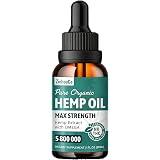
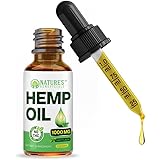
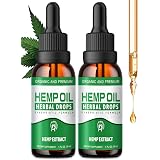
Tinctures are common and involve placing drops under the tongue. This method allows for quick absorption. Capsules provide a pre-measured dose. They are convenient for consistent daily intake.
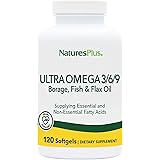
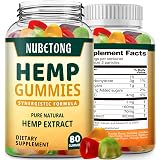
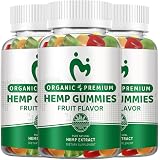
Edibles like gummies offer a tasty option. Their effects appear slower but last longer. Topical products, such as creams and balms, are applied directly to the skin. These are excellent for localized relief. Inhalation through vapes offers rapid effects. However, this method requires specific devices. Selecting a high-quality product is always important.
Primary Health Benefits of CBD Oil
Many individuals turn to CBD oil for its potential health benefits. Its ability to interact with the ECS suggests broad applications. Scientific studies continue to investigate these benefits. Several key areas show promising results.
CBD Oil for Pain Management
Chronic pain affects millions worldwide. Many seek effective relief methods. CBD oil has shown promise in reducing various types of pain. These include chronic pain, back pain, and nerve pain.
Furthermore, CBD oil can alleviate pain associated with specific conditions. It may reduce discomfort linked to multiple sclerosis (MS). Similarly, fibromyalgia patients have reported benefits. Its anti-inflammatory properties are often cited as a mechanism. This makes CBD a natural option for pain relief.
Anxiety and Mental Well-being Support
Anxiety disorders are widespread. The potential of CBD oil as an anxiolytic is significant. As previously mentioned, studies indicate reduced anxiety scores. A daily 600mg dose showed promising results for participants.
Moreover, CBD oil may assist with other mental health concerns. It can help with post-traumatic stress disorder (PTSD). Sleep issues are often improved with CBD use. Even conditions like schizophrenia are being studied for CBD’s impact. Its calming effects contribute to overall mental well-being.
Neurological Disorder Assistance
CBD oil’s interaction with the nervous system is profound. This makes it a focus for neurological support. Notably, Epidiolex, an FDA-approved CBD-based medication, treats rare forms of epilepsy. This approval highlights CBD’s efficacy in clinical settings.
In addition, research explores CBD for other neurological conditions. Parkinson’s disease is one such area of study. CBD may offer neuroprotective benefits. This could potentially support nerve cell health. Continued research is vital in this field.
Anti-Aging Properties
Beyond immediate symptomatic relief, CBD oil has anti-aging effects. These effects are primarily linked to its anti-inflammatory properties. Inflammation is a major contributor to the aging process. It damages cells and tissues over time.
Consequently, by reducing inflammation, CBD helps protect the body’s cells. This can potentially slow down cellular aging. It contributes to maintaining a youthful state. This holistic benefit adds to CBD’s appeal.
Potential Side Effects of CBD Oil
While generally considered safe, CBD oil can cause side effects. These reactions are typically mild. They often improve as the body adjusts. Being aware of potential side effects is important.
Common side effects include dry mouth. Some individuals may experience lightheadedness. Headaches and fatigue are also reported. Changes in weight, appetite, and sleep habits can occur. These effects usually subside within a few days.
More serious, though rare, side effects exist. These include nausea, diarrhea, or constipation. Alterations in liver function have also been observed. Therefore, consulting a healthcare professional is always advised. This is especially true before starting any new supplement. Choosing high-quality CBD products is crucial for safety and efficacy.
The Legality of CBD Oil
The legal status of CBD oil can be complex. Understanding federal and state laws is essential. Federally, CBD derived from hemp is legal. This applies as long as it contains less than 0.3% THC.
This federal law stems from the 2018 Farm Bill. It reclassified hemp as an agricultural commodity. Nevertheless, state laws vary significantly. Most states align with federal guidelines. However, some have stricter regulations. Therefore, always check your specific state’s laws before purchasing. This ensures compliance and avoids legal issues. This distinction applies primarily to hemp-derived CBD oil.
CBD Oil: Your Questions Answered
What is CBD oil?
CBD oil is made from Cannabidiol, a natural compound found in the cannabis plant. Unlike THC, CBD does not cause a “high” feeling.
Where does CBD oil come from, and is it legal?
Most legal CBD oil comes from hemp plants, which contain very low levels of THC (less than 0.3%). Federally, hemp-derived CBD with low THC content is legal in the United States, though state laws can vary.
How does CBD oil work in the body?
CBD oil interacts with your body’s endocannabinoid system (ECS), which helps regulate functions like mood, sleep, and pain. By influencing ECS receptors, CBD helps maintain balance and contributes to its therapeutic effects.
What are the main reasons people use CBD oil?
Many people use CBD oil for its potential to help with pain management and anxiety relief. Studies suggest it can reduce various types of pain and lower anxiety scores.
Does CBD oil have any side effects?
While generally considered safe, some people may experience mild side effects such as dry mouth, lightheadedness, headaches, or fatigue. These usually improve as your body adjusts.