
Have you ever found yourself scrolling through social media or browsing a health store, encountering countless products touting the benefits of CBD oil? Perhaps a friend has shared a personal success story, or you’ve heard whispers about its potential to alleviate everyday ailments. This rapidly expanding wellness trend, often shrouded in a mix of excitement and confusion, prompts many questions. The video above with Dr. Oz and Dr. Sanjay Gupta dives into the heart of the CBD oil boom, revealing crucial insights from leading medical experts.
Cannabidiol, commonly known as CBD, originates from the cannabis plant, similar to marijuana. However, a significant distinction exists: CBD products typically contain no THC, which is the psychoactive compound responsible for the “high” associated with cannabis use. This fundamental difference means CBD offers potential therapeutic effects without intoxication, making it an appealing option for a broad audience seeking natural remedies. Despite its growing popularity, understanding what CBD truly is, its potential benefits, the current regulatory landscape, and how to navigate the vast market remains incredibly challenging for consumers.
Understanding CBD: More Than Just a Health Trend
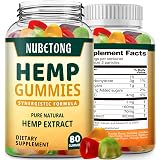
The journey of CBD from relative obscurity to a billion-dollar industry has been remarkably swift. Just a few years ago, the concept of a cannabis-derived product being openly discussed in mainstream health circles seemed unlikely. Now, it appears in a surprising array of forms, from edible gummies and tinctures to topical creams and even pet treats. This widespread availability has fueled an astonishing surge in demand, with sales projected to increase by a staggering 700% in the coming two years alone, highlighting a clear consumer interest in plant-based wellness solutions.
At its core, CBD is one of over 100 cannabinoids identified in the cannabis plant. Unlike its famous counterpart, THC, CBD interacts with the body’s endocannabinoid system (ECS) in a non-intoxicating manner. The ECS is a complex network of receptors and neurotransmitters found throughout the central and peripheral nervous systems, influencing various bodily functions such as mood, sleep, appetite, pain sensation, and immune response. While the exact mechanisms are still under extensive research, it is believed that CBD helps to modulate these receptors, potentially promoting balance and well-being within the body.
The Endocannabinoid System Explained
Our bodies naturally produce cannabinoids, known as endocannabinoids, which act as messengers within the ECS. These internal compounds, alongside external phytocannabinoids like CBD, play a crucial role in maintaining homeostasis—the stable equilibrium of physiological processes. When our natural endocannabinoid production is insufficient, or when the system is out of balance, supplementing with plant-derived cannabinoids such as CBD could theoretically help restore equilibrium. This foundational understanding helps explain why CBD is thought to exert effects across such a wide range of bodily systems and functions, leading to its purported applications for various conditions.
Navigating the Legal and Research Landscape of CBD Oil
The legal status of CBD oil in the United States presents a complex and often contradictory picture. While the federal government still classifies cannabis as an illegal substance, the 2018 Farm Bill descheduled hemp, defining it as cannabis with less than 0.3% THC. This legislative change paved the way for the legal cultivation of hemp and the sale of hemp-derived CBD products. Consequently, 47 states have moved to approve some form of CBD legislation, creating a patchwork of regulations that can be confusing for both consumers and businesses. This dual perspective means that while CBD is largely accessible, its federal illegality complicates large-scale scientific research and comprehensive oversight.
Dr. Sanjay Gupta highlights a fascinating development: the approval of an FDA-regulated CBD drug for specific forms of epilepsy. This remarkable achievement, moving from anecdotal evidence like the ‘Charlotte’s Web’ case to a prescription medication in just five years, underscores CBD’s legitimate medicinal potential. This FDA approval, however, applies only to that specific drug for that particular indication, not to the myriad of over-the-counter CBD products currently available. This distinction is crucial for consumers to grasp, as it separates a rigorously tested pharmaceutical from a largely unregulated market.
Research Challenges and Promising Avenues
Despite the widespread enthusiasm, scientific research on CBD’s efficacy for most conditions beyond severe epilepsy remains limited. This scarcity of data is not necessarily an indictment of CBD’s potential but rather a reflection of significant research hurdles. Federal prohibition of cannabis, even for research purposes, makes it incredibly difficult to secure funding, obtain the necessary governmental approvals, and source standardized products for clinical trials. Consequently, robust, large-scale studies on conditions like anxiety, chronic pain, and insomnia are still lagging. Nonetheless, the anecdotal evidence is compelling enough to suggest that many individuals are experiencing benefits, motivating continued calls for more comprehensive scientific inquiry.
One particularly promising area of research mentioned in the video involves CBD’s potential role in addressing the opioid crisis. Studies in states with CBD legislation have observed a decrease in opioid prescriptions, suggesting that CBD might offer an alternative for pain management or even assist with withdrawal symptoms. This potential to mitigate the severe public health challenges posed by opioid dependence provides a strong impetus for further investigation into CBD’s analgesic properties and its broader impact on chronic pain management strategies.
Consumer Concerns: Quality, Labeling, and Cost of CBD Products
The “wild, wild west” of the unregulated CBD market poses significant challenges for consumers. With products readily available online and in stores across most of the nation, the lack of standardized testing and labeling requirements can lead to considerable uncertainty. Many consumers are left wondering: Is what’s on the label truly inside the bottle? Is the dosage accurate? Am I getting good value for my money?
ConsumerLab.com, an independent testing organization, undertook a study to shed light on these critical questions. Their findings, as detailed in the video, were quite startling. They discovered an over tenfold difference in the actual CBD content per serving across various popular products, ranging from a mere 2 milligrams to 22 milligrams. This vast inconsistency means that consumers often have no idea how much active CBD they are truly ingesting, potentially leading to ineffective treatment or wasted money on underdosed products. Furthermore, the price for a 10-milligram dose of CBD varied dramatically, from as little as 80 cents to $4.50, again highlighting the significant disparities in product value.
While the ConsumerLab.com study did offer some good news, finding no heavy metal contamination or significant THC levels in the nine oral products tested for humans and animals, the issue of inaccurate labeling remains pervasive. Many products avoid explicitly stating the CBD content to skirt FDA regulations, opting for vague terms like “hemp extract.” This term typically indicates the presence of some CBD, but without specified amounts. Conversely, products labeled simply as “hemp oil” often contain no CBD at all, deriving from the hemp seed and lacking the cannabinoids found in other parts of the plant. This deliberate ambiguity makes informed purchasing incredibly difficult for the average consumer.
Making Informed Choices in an Unregulated Market
Given the current state of the CBD oil market, making an informed decision requires careful consideration and a proactive approach. Dr. Oz and Dr. Sanjay Gupta emphasize the critical need for regulation to ensure product safety and accurate labeling, which would ultimately protect consumers and reward reputable manufacturers. Until such comprehensive regulations are in place, consumers must take responsibility for their own due diligence. This means looking beyond marketing claims and seeking out companies that demonstrate transparency and a commitment to quality. When considering a CBD product, always prioritize those that provide third-party lab testing results, often called a Certificate of Analysis (COA). A COA should detail the exact amount of CBD (and other cannabinoids) present, confirm the absence of THC (if advertised), and verify that the product is free from contaminants like pesticides, heavy metals, and mold.
Clarifying the Truth: Your CBD Oil Questions Answered
What is CBD oil?
CBD oil is a product that comes from the cannabis plant, specifically containing cannabidiol (CBD). It’s often used for wellness, but unlike marijuana, it typically doesn’t contain THC, so it won’t make you feel ‘high’.
What is the main difference between CBD and THC?
The key difference is that CBD products usually contain no THC, which is the psychoactive compound in cannabis that causes the ‘high.’ This allows CBD to offer potential benefits without intoxication.
Is CBD oil legal?
CBD oil derived from hemp (which contains less than 0.3% THC) is federally legal in the United States. However, state laws can still vary, creating a complex regulatory landscape.
Are all CBD products regulated and reliable?
No, the CBD market is largely unregulated, meaning there aren’t standardized rules for testing or labeling. This can lead to big differences in the actual CBD content and quality of products.
How can I choose a trustworthy CBD product?
To make an informed choice, look for products that provide third-party lab testing results, often called a Certificate of Analysis (COA). This document confirms the CBD content and checks for harmful contaminants.