
As the concise GoodRx video above clearly articulates, CBD oil, or cannabidiol, has rapidly emerged as a significant topic in health and wellness circles, earning considerable praise for its non-intoxicating therapeutic potential. While the video offers a swift introduction to what CBD is and its preliminary applications, a deeper dive reveals the intricate science behind this fascinating compound from the Cannabis sativa plant. Understanding its mechanisms and potential benefits requires exploring the complex interplay of cannabinoids with our body’s systems, moving beyond a simple definition to grasp its true impact.
Deconstructing Cannabidiol: Beyond the Buzz
To truly appreciate CBD, one must first recognize its origin and chemical identity. Cannabidiol is one of over 100 unique chemical compounds known as cannabinoids, naturally occurring in the cannabis plant. Unlike its more famous cousin, tetrahydrocannabinol (THC), CBD does not induce the psychoactive “high” typically associated with marijuana use. This crucial distinction makes CBD an attractive option for those seeking the potential health benefits of cannabis without altered states of consciousness.
The cannabis plant, specifically Cannabis sativa, serves as the source for a myriad of these compounds, each with its own unique properties. While the video briefly mentions cannabinoids interacting with CB1 and CB2 receptors, this is just the tip of the iceberg. The full spectrum of cannabinoids, terpenes, and flavonoids present in the plant contribute to what is known as the “entourage effect,” where these compounds work synergistically to enhance therapeutic outcomes.
The Endocannabinoid System: CBD’s Biological Arena
Our bodies possess an intricate internal network known as the endocannabinoid system (ECS), a vital component in maintaining physiological balance, or homeostasis. Think of the ECS as the body’s master regulator, orchestrating a wide array of functions including mood, appetite, memory, pain sensation, and immune response. It comprises endocannabinoids (cannabinoids produced by our own bodies), cannabinoid receptors (CB1 and CB2), and enzymes that synthesize and degrade endocannabinoids.
The CB1 receptors are predominantly found in the brain and central nervous system, influencing aspects like cognition, memory, and motor control. Conversely, CB2 receptors are more abundant in the peripheral organs, particularly in immune cells, playing a significant role in inflammation and immune responses. While THC binds directly to CB1 receptors, leading to its psychoactive effects, CBD acts more subtly. Instead of directly binding, CBD modulates the ECS by interacting with other receptors, such as serotonin receptors (5-HT1A) and transient receptor potential (TRP) channels, influencing how our own endocannabinoids behave and preventing their rapid breakdown.
Navigating the Therapeutic Horizons of CBD Oil
The scientific community is increasingly intrigued by the potential therapeutic applications of CBD oil, with research expanding into numerous areas beyond initial observations. The video rightly highlights its potential in reducing depression and anxiety, along with its promise in preventing seizures. These applications represent some of the most advanced areas of CBD research and clinical development.
Addressing Anxiety, Depression, and Neurological Conditions
For individuals grappling with anxiety and depression, CBD presents a compelling alternative or adjunct therapy. Research suggests CBD’s anxiolytic (anti-anxiety) and antidepressant-like properties stem from its interaction with the 5-HT1A serotonin receptor, which plays a critical role in mood and anxiety regulation. It doesn’t merely mask symptoms; instead, it appears to influence the neural pathways responsible for these conditions, offering a more foundational approach to mental wellness.
Beyond mood disorders, CBD’s anticonvulsant properties have garnered significant attention, particularly in treating severe forms of epilepsy like Dravet syndrome and Lennox-Gastaut syndrome. The FDA-approved drug Epidiolex, a pharmaceutical-grade CBD oral solution, stands as a testament to its efficacy in reducing seizure frequency. This breakthrough underscores CBD’s potential as a powerful tool in neurological medicine, offering hope to patients refractory to conventional treatments.
Exploring Broader Immunomodulatory and Neuroprotective Roles
The video also mentions ongoing studies into CBD’s effects on multiple sclerosis (MS), immune system disorders, and even cancer. These investigations often focus on CBD’s potent anti-inflammatory and neuroprotective qualities. In conditions like MS, where inflammation damages nerve cells, CBD’s ability to modulate immune responses and protect neurons could be profoundly beneficial.
For immune system disorders, CBD’s immunomodulatory action means it can help regulate an overactive or underactive immune system, potentially mitigating autoimmune responses. In oncology, preliminary studies are exploring CBD’s potential as an anti-tumor agent, either directly inhibiting cancer cell growth or enhancing the efficacy of traditional chemotherapies. While these areas require extensive further research, the initial findings paint a picture of a versatile compound with far-reaching therapeutic potential.
Forms and Formulations: Choosing Your CBD Pathway
As the market for CBD oil expands, so does the variety of product forms available, catering to different needs and preferences. The video touches on lotions, oils, and capsules, but the landscape is far richer. Understanding these options is key to effective use:
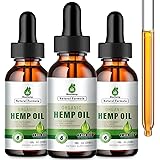
- Tinctures and Oils: These are liquid extracts, typically taken sublingually (under the tongue) for rapid absorption into the bloodstream. They offer precise dosing and come in various potencies.
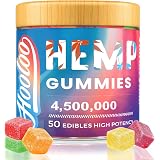
- Capsules and Edibles: For those who prefer a familiar format or require discreet dosing, capsules and edibles (gummies, chocolates) provide a convenient option. They offer a slower onset of effects as CBD must pass through the digestive system.
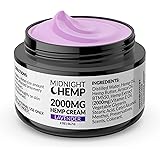
- Topicals and Lotions: Applied directly to the skin, these are ideal for localized relief of pain, inflammation, or skin conditions. CBD does not enter the bloodstream significantly with topical application.
- Vapes: Inhalation of CBD via vaping offers the fastest onset of effects, as CBD directly enters the bloodstream through the lungs. This method is often preferred for acute relief.
- Isolates, Broad-Spectrum, and Full-Spectrum:
- Isolates contain pure CBD, with all other cannabinoids and plant compounds removed.
- Broad-spectrum products contain CBD and other cannabinoids (like CBG, CBN, CBC) and terpenes, but with THC completely removed.
- Full-spectrum products contain CBD, other cannabinoids, terpenes, flavonoids, and trace amounts of THC (typically below the legal limit of 0.3%). This formulation is believed to offer the most robust “entourage effect.”
Choosing the right formulation depends on individual needs, desired onset time, and whether one wants to benefit from the synergistic effects of other cannabis compounds. The journey of understanding CBD oil is ongoing, revealing more layers of its complex interaction with human physiology and its profound potential to enhance well-being.
CBD: What’s the Big Deal? Your Questions Answered.
What is CBD oil?
CBD oil contains cannabidiol, which is one of over 100 natural chemical compounds called cannabinoids found in the cannabis plant. It’s gaining attention for its potential health and wellness benefits.
Will CBD oil make me feel ‘high’?
No, CBD oil does not typically make you feel ‘high.’ Unlike THC, another compound from the cannabis plant, CBD is non-intoxicating and won’t cause altered states of consciousness.
How does CBD work in the body?
CBD interacts with your body’s endocannabinoid system (ECS), which helps maintain balance in various functions like mood, appetite, and immune response. It works subtly to influence how your body’s own cannabinoids behave.
What are some common reasons people use CBD oil?
People often use CBD oil for potential benefits like reducing anxiety and depression. It has also shown promise in preventing seizures and is being studied for its anti-inflammatory and neuroprotective properties.
What are the different types of CBD products I might encounter?
You’ll find CBD products in several forms, including isolates (pure CBD), broad-spectrum (CBD with other beneficial compounds but no THC), and full-spectrum (CBD with other compounds and trace amounts of THC).