
Imagine stumbling upon a supplement that promises to calm your anxious thoughts, lift your mood, or finally grant you a full night’s sleep. Stories often circulate online, shared by friends, suggesting that CBD, or cannabidiol, could be this very solution, a natural balm for various mental health challenges. It is easy to be drawn into the widespread claims about CBD for anxiety and depression, especially when struggling with such conditions. However, a closer look at the science is warranted, as explored in the insightful video above featuring Dr. Sulman Aziz Mirza. Much of what is commonly believed about CBD’s efficacy for mental health conditions, including its role in managing anxiety and depression, may not align with current scientific understanding.
The journey to understanding CBD often begins with separating fact from fiction. This important distinction is crucial, particularly when considering health-related decisions. When the popular narrative suggests a “nature’s cure,” it is essential to consult evidence-based insights rather than marketing hype.
Understanding Cannabidiol: More Than Just a Hype
Firstly, it is important to clarify what CBD actually is. Cannabidiol is one of over a hundred distinct compounds identified within the cannabis plant. Unlike its well-known counterpart, THC (tetrahydrocannabinol), CBD does not induce a psychoactive “high.” Its actions within the body are generally considered more subtle and indirect.
CBD is understood to interact with various systems in the brain and body. These interactions are believed to influence essential functions such as mood regulation, sleep patterns, and the body’s stress response. While these potential influences are intriguing, their specific clinical applications, particularly for managing mental health conditions like anxiety and depression, are still under rigorous investigation.
Debunking Common CBD Myths for Mental Health
The marketing surrounding CBD often presents it as a panacea for various mental health issues. However, when these claims are subjected to scientific scrutiny, the evidence frequently proves to be less compelling. Many commonly held beliefs about CBD for anxiety and depression are not fully supported by robust clinical data.
Myth 1: CBD as a Cure for Depression
One prevalent myth suggests that CBD can effectively cure depression or balance mood swings. Some individuals claim to have stopped prescribed medications after using CBD, attributing their improved mood to the supplement. However, when researchers rigorously test these claims, consistent and strong evidence is rarely found.
The studies that exist are often characterized by their small scale, involving only dozens of participants. Consequently, the results are frequently inconsistent or considered preliminary, preventing definitive conclusions about CBD’s impact on depression. While animal studies, for example, have shown promising results in making rats “less depressed,” these effects have not reliably translated into human clinical trials. Scientific reviews frequently conclude that, at present, sufficient evidence to support CBD as a proven treatment for depression is lacking.
Myth 2: CBD Eradicates PTSD Symptoms
Another popular idea is that CBD acts as a “trauma eraser,” instantly relieving symptoms of Post-Traumatic Stress Disorder (PTSD) such as nightmares and flashbacks. This narrative is frequently perpetuated through online sales and anecdotal testimonies. Such claims suggest a straightforward solution to complex psychological trauma.
Upon examination of the available research, it is observed that studies investigating CBD for PTSD are typically small and yield inconsistent results. While some pilot studies have indicated potential benefits, they are currently far too limited in scope to establish CBD as a reliable or proven treatment for PTSD. The early findings may be interesting, but they are not yet considered robust enough to warrant widespread recommendation or to replace established therapeutic approaches.
Myth 3: The Universal CBD Sleep Hack
The belief that a few drops of CBD guarantee a perfect night’s sleep is arguably one of the most widespread claims. It is often suggested that CBD offers a straightforward solution to various sleep disturbances. However, human biology and brain chemistry are far from straightforward, and CBD’s interactions are complex.
CBD is known to interact with numerous systems within the brain, leading to unpredictable effects across individuals. While some people may report feeling drowsy or experiencing improved sleep, others notice no change, and in some cases, sleep quality is even reported to worsen. Therefore, the idea of CBD as a universally effective sleep aid appears to be more a product of marketing than a medically substantiated reality.
The Scientific Reality: Limited Evidence for CBD and Mental Health
The actual scientific picture of CBD’s efficacy for mental health conditions is considerably less clear than the success stories often shared online. Rigorous clinical trials are the cornerstone of medical validation, and CBD research in this area still faces significant limitations. The strongest signals observed in research for CBD for anxiety and depression are generally specific and not broadly applicable.
Limitations of Current Clinical Trials
Most clinical trials conducted on CBD for mental health issues have been quite small. Typically, these studies involve only dozens of participants, which is a stark contrast to the hundreds or thousands usually required for robust and statistically significant medical conclusions. Small study sizes often result in inconsistent findings, where results vary widely from one study to another. This variability makes it challenging to draw reliable conclusions about CBD’s consistent effectiveness or safety profile across a larger population.
CBD’s Potential in Specific Anxiety Contexts
Interestingly, the strongest preliminary evidence for CBD’s efficacy has been observed in specific anxiety-related situations. For example, some studies suggest that CBD may help to reduce acute anxiety experienced during public speaking tests. In these controlled, high-stress scenarios, CBD appears to “take the edge off” for some individuals. However, this focused effect is not the same as providing comprehensive relief for individuals living with chronic, full-blown anxiety disorders, which often involve persistent worry, panic attacks, or social avoidance. Such conditions require more consistent and profound therapeutic interventions.
The Complexities of CBD’s Action and Dosing
One major factor contributing to the unpredictable nature of CBD’s effects is its multifaceted interaction with the brain. Unlike many pharmaceutical drugs that target a single specific receptor (like a “key fitting a single lock”), CBD is thought to influence dozens of different brain systems simultaneously. This means that its effects can vary significantly from person to person, depending on which of these “locks” are engaged or influenced. Consequently, two individuals taking the exact same dose of CBD may experience entirely different outcomes, highlighting the individualized nature of its impact.
Compounding this complexity is the significant variability in dosing across studies. One clinical trial might administer 25 mg of CBD, while another could use 300 mg, and some even explore doses in the thousands of milligrams. Such a wide range is akin to testing aspirin at vastly different doses, which would naturally lead to highly disparate results. Furthermore, research has identified an “inverted U-shaped curve” for CBD dosing, indicating that more is not always better. Too little CBD might have no effect, while too much could potentially backfire, suggesting a narrow therapeutic window. This “sweet spot” is also not universal and can vary significantly among individuals, making self-dosing for conditions like CBD for anxiety and depression particularly challenging without clinical guidance.
Navigating Risks: Product Quality and Drug Interactions
Beyond the questions of efficacy, there are critical concerns regarding the safety and quality of commercially available CBD products. Unlike prescription medications, most CBD products are sold as dietary supplements, a category with significantly less regulatory oversight from the FDA. This regulatory gap leaves consumers vulnerable to various risks, which can have serious implications for health and well-being.
Product Mislabeling and Contaminants
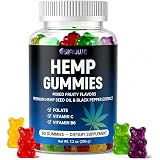
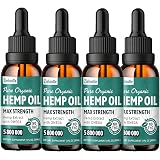
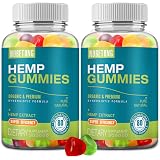
A significant problem in the unregulated CBD market is product mislabeling. For instance, a 2017 analysis of 84 online CBD products revealed alarming inconsistencies. More than 25% of these products were found to contain less CBD than advertised on their labels, meaning consumers were not getting what they paid for. Conversely, some products contained significantly more CBD than stated, which could lead to unexpected effects. Even more concerning, some products marketed as “THC-free” were found to have unexpectedly high levels of THC. This could result in a failed drug test or even induce psychoactive effects, despite the product’s claims of purity.
The issue extends beyond just CBD and THC content. Independent laboratory tests frequently uncover other undesirable substances in CBD products, including pesticides, heavy metals, and residual solvents. In some cases, bottles sold as potent CBD extracts are essentially just expensive carrier oils with minimal active hemp extract. Such findings have prompted the FDA to issue warning letters to companies making unsubstantiated health claims, including some that outrageously advertised CBD as a cure for conditions like COVID-19. This demonstrates the critical need for consumers to approach the CBD market with extreme caution, particularly when considering CBD for anxiety and depression.
Serious Drug Interactions and Liver Risks
A less talked about but highly significant risk involves CBD’s interaction with other medications. CBD is known to block specific liver enzymes, primarily the cytochrome P450 (CYP450) enzymes, which are responsible for metabolizing a wide range of common medications. This effect is similar to, but often stronger than, the interaction seen with grapefruit juice. When these liver enzymes are inhibited, medications are not processed efficiently by the body, leading to potentially dangerous spikes in blood levels of those drugs.
This interaction is particularly relevant for individuals taking blood thinners, certain seizure medications, immunosuppressants, and many psychiatric medications. For example, when CBD is combined with common antidepressants like Zoloft (sertraline), the levels of the antidepressant in the bloodstream can become dangerously high. Such elevated drug concentrations can dramatically increase the risk of adverse effects, some of which can be severe. Furthermore, clinical trials involving high doses of CBD have directly linked its use to instances of liver problems. It is for this reason that Epidiolex, the only FDA-approved CBD drug (used for rare forms of childhood epilepsy), requires careful monitoring of liver enzymes by doctors. However, with the vast majority of unregulated CBD products sold in stores or online, no such medical oversight is provided, leaving consumers unknowingly exposed to potential liver toxicity and drug interactions. This underscores the importance of informed decision-making when considering CBD for anxiety and depression, especially for those on prescription medications.
Making Informed Choices for Your Mental Well-being
While CBD is not accurately described as “snake oil,” it is equally clear that it is not a proven first-line treatment for major anxiety, depression, or PTSD. The scientific evidence, though showing some interesting signals, especially for anxiety in specific contexts, remains limited and inconsistent. The widespread marketing claims far outpace the current body of robust scientific data.
Moreover, the quality and safety of many commercially available CBD products present significant challenges. Labels can be inaccurate, doses are unpredictable, and there is a real potential for interactions with other medications or adverse effects on liver health. For individuals contemplating the use of CBD for anxiety and depression, a proactive and informed approach is essential. It is highly recommended that a conversation with a qualified clinician or healthcare provider be initiated before trying any CBD product. This allows for a personalized assessment of potential risks and benefits, especially when other prescription medications are being used. Additionally, seeking out products that provide a comprehensive Certificate of Analysis (COA) from an independent third-party lab can offer some assurance regarding the product’s actual contents and purity. If higher doses of CBD are being considered while on prescription medications, discussing the need for liver enzyme monitoring with a doctor is a prudent safety measure. The path to effective mental health management is best navigated with curiosity, caution, and, most importantly, accurate information.
Unpacking More Truths: Your CBD Questions for the Psychiatrist
What is CBD?
CBD, or cannabidiol, is a compound found in the cannabis plant. Unlike THC, its well-known counterpart, CBD does not cause a psychoactive ‘high’.
Can CBD cure anxiety or depression?
No, the scientific evidence for CBD curing anxiety or depression is currently limited and inconsistent. Many common claims are not fully supported by robust clinical data.
Are there risks when using CBD products?
Yes, many CBD products are unregulated and may be mislabeled regarding CBD/THC content or contain contaminants. CBD can also interact with other medications and potentially cause liver problems.
What should I do before trying CBD for mental health?
It’s highly recommended to speak with a doctor or healthcare provider before trying CBD, especially if you take other medications. You should also look for products that provide a Certificate of Analysis (COA) from an independent lab.