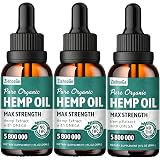

Have you ever found yourself lying awake at 3 AM, mind racing, or constantly battling a sense of unease throughout your day? Many people explore various avenues for relief from anxiety and sleep disturbances. As Dr. Tom Biernacki highlights in the video above, one increasingly popular option is CBD oil and CBD gummies, which have captured significant public interest. In fact, searches for these terms and their variations consistently exceed 300,000 monthly, indicating a widespread curiosity about their potential benefits.
The journey to finding effective relief is often personal and can involve numerous trials. While some find solace in traditional methods, others seek alternative solutions. This widespread interest in CBD oil and CBD gummies stems from reports of their potential to alleviate symptoms of anxiety and improve sleep quality, making them a frequent topic of discussion in wellness circles.
Understanding CBD Oil and CBD Gummies
Cannabidiol, or CBD, is a non-psychoactive compound derived from the cannabis plant. Unlike THC, its well-known counterpart, CBD does not produce the “high” associated with marijuana. This distinction is crucial for many users who want the potential therapeutic effects without altered mental states.
The popularity of CBD oil and CBD gummies has surged as more people become aware of its potential wellness benefits. These products offer a convenient and discreet way to consume CBD, with gummies providing a palatable option for those who dislike the earthy taste of oils. Many individuals integrate CBD into their daily routines, hoping to achieve a greater sense of calm and improved rest.
The Endocannabinoid System (ECS) and CBD
To grasp how CBD interacts with the body, one must understand the endocannabinoid system (ECS). This complex network of receptors and neurotransmitters plays a vital role in regulating various physiological processes, including mood, sleep, appetite, pain sensation, and immune response. Our bodies naturally produce endocannabinoids that interact with this system.
However, external cannabinoids like CBD can also engage with ECS receptors. CBD is thought to influence the ECS indirectly, enhancing the body’s natural endocannabinoids or interacting with other non-cannabinoid receptors. This nuanced interaction is believed to contribute to its potential therapeutic effects, especially regarding anxiety and sleep.
CBD for Anxiety Relief: What the Research Suggests
The potential of CBD oil and CBD gummies to reduce anxiety is one of the most frequently cited reasons for its use. Clinical studies, while still emerging, suggest that CBD may possess anxiolytic properties. For example, a 2019 study published in The Permanente Journal found that 79.2% of participants experienced a decrease in anxiety scores within the first month of CBD treatment.
People often report a subtle calming effect after using CBD, which helps them manage daily stressors or more pronounced anxiety symptoms. Unlike some conventional anxiety medications, CBD is generally considered to have a favorable safety profile with fewer reported side effects. However, individual experiences vary significantly, and what works for one person may not work for another.
Improving Sleep with CBD: A Natural Approach?
Sleep disturbances frequently co-occur with anxiety, creating a challenging cycle for many individuals. CBD is not a direct sedative, yet many users turn to CBD oil and CBD gummies for better sleep. Its potential to reduce anxiety and alleviate pain may contribute to improved sleep quality indirectly.
If anxiety keeps you awake, or chronic pain prevents restful sleep, CBD might help address these underlying issues. A study published in the Journal of Clinical Pharmacy and Therapeutics indicated that CBD could improve sleep patterns by reducing REM sleep behavior disorder symptoms. As Dr. Biernacki notes, patients often report significant relief, allowing them to function better during their waking hours.
Dosage and Administration of CBD Products
Determining the right dosage for CBD oil and CBD gummies is a highly individualized process. Factors such as body weight, metabolism, the severity of symptoms, and the concentration of the CBD product all play a role. Experts generally recommend starting with a low dose and gradually increasing it until the desired effects are achieved.
CBD oil is typically administered sublingually (under the tongue), where it is absorbed directly into the bloodstream for quicker onset. CBD gummies, on the other hand, offer a pre-dosed, discreet, and tasty option, though their effects might take longer to manifest as they must pass through the digestive system. Careful titration and observation of one’s body’s response are key.
Navigating the CBD Market: Purity and Safety Considerations
The rapidly expanding CBD market can be challenging to navigate, as product quality and labeling can vary significantly. Ensuring you purchase pure and safe CBD oil and CBD gummies is paramount. Always look for products that provide third-party lab testing results, often accessible via a QR code on the packaging.
These lab reports confirm the CBD content, verify the absence of harmful contaminants like pesticides, heavy metals, and residual solvents, and ensure THC levels are within legal limits (typically below 0.3%). Furthermore, be aware of the different types of CBD: Full-spectrum products contain all cannabinoids, including trace amounts of THC; broad-spectrum products include other cannabinoids but no THC; and CBD isolate contains only pure CBD.
Individual Responses to CBD: Why Experiences Vary
As Dr. Biernacki emphasizes, the response to CBD oil and CBD gummies is not universal. Some individuals report profound benefits, while others experience little to no effect, and a small percentage may even react negatively. This variability can be attributed to several factors, including individual biochemistry, the specific condition being treated, product quality, and accurate dosing.
Genetics play a role in how efficiently a person metabolizes CBD. Additionally, the entourage effect, where different cannabinoids and terpenes in full-spectrum products work synergistically, might yield different results compared to isolate products. Understanding that individual results will vary is crucial for managing expectations and determining if CBD is the right choice for you.
Considering CBD for Your Wellness Journey
The ongoing discussion around CBD oil and CBD gummies for managing anxiety and improving sleep underscores a broader trend towards holistic and alternative health solutions. While many users attest to its benefits, a cautious approach, as recommended by Dr. Biernacki, remains wise. It is often prudent to explore more established remedies first, especially for significant health concerns.
Before incorporating any new supplement into your regimen, including CBD oil and CBD gummies, consulting with a healthcare professional is essential. They can offer personalized advice, discuss potential interactions with existing medications, and help determine if CBD is a suitable option for your unique health profile. The interest in these cannabis-derived products continues to grow, driving further research into their efficacy and safety.
Sweet Dreams and Clear Minds: Your CBD Sleep & Anxiety Q&A
What is CBD?
CBD, or Cannabidiol, is a compound found in the cannabis plant that does not cause a “high.” It is different from THC, which is the psychoactive component of marijuana.
Why do people use CBD oil and gummies?
Many people are interested in CBD oil and gummies for their potential to help alleviate anxiety symptoms and improve sleep quality. They are often explored as natural remedies for these common concerns.
How does CBD work in the body?
CBD interacts with your body’s endocannabinoid system (ECS), which is a network that helps regulate various processes like mood, sleep, and pain. It is believed to influence this system to produce its effects.
Is it safe to use CBD products?
CBD is generally considered to have a favorable safety profile with few reported side effects. To ensure safety, always choose products that provide third-party lab test results to confirm purity and accurate CBD content.
How do I know what dose of CBD to take?
The right dosage of CBD is highly individual and depends on factors like body weight and symptom severity. Experts typically recommend starting with a low dose and gradually increasing it until you achieve the desired effects.